桃太郎傳說
 1987-10-26
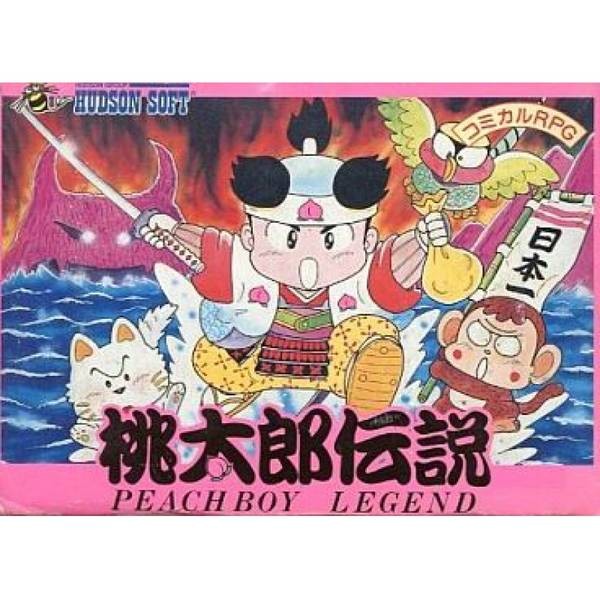
由 Hudson Soft 於 1987 年 10 月 26 日在 Famicom 上推出的《桃太郎傳說》(Momotarou Densetsu / 桃太郎伝説),是日本遊戲史上極具代表性的國民級 RPG 之一。
由知名遊戲製作人 佐久間晃 負責企劃與設計,並邀請插畫家 土居孝幸 打造角色形象,整體風格充滿童趣與濃厚的日本民間故事色彩。它不僅開創長壽系列,後續更衍生出廣受歡迎的《桃太郎電鐵》,在日本遊戲文化中佔有舉足輕重的地位,甚至一度被認為能與 勇者鬥惡龍 分庭抗禮。
在系統設計上,雖然承襲傳統日式 RPG 的回合制架構,但整體風格卻走出截然不同的路線。畫面採用可愛的 SD 比例設計,敵人多半來自日本民間傳說中的妖怪,並以幽默甚至帶點惡搞的方式呈現,例如會讓玩家破財的「窮神」等角色,使整體冒險過程充滿輕鬆詼諧的氣氛。音樂則融合祭典節奏與童謠風格,營造出溫暖又帶點熱鬧的和風世界。
值得一提的是,在用語上也極具在地特色。將「經驗值」稱為「心」,「等級」稱為「段」,而「魔法」則改以「術」來表現,讓整體世界觀更貼近日本傳統文化,而非西方奇幻設定。
劇情方面,故事取材自家喻戶曉的日本民間傳說《桃太郎》。主角桃太郎從桃子中誕生,為了替村莊消滅作亂的鬼族,帶著象徵友情的吉備糰子踏上旅程。在冒險過程中,他會依序收服小白狗、小猴子與雉雞,組成一支充滿特色的隊伍。玩家將率領這支隊伍穿越各地,擊敗鬼族勢力,最終前往鬼之島挑戰閻魔大王,奪回被掠奪的寶物。
在操作與戰鬥設計上,融合傳統 RPG 與獨特的人情味系統。三位動物夥伴在戰鬥中多半採取自動行動,各自擁有不同專長,例如小白狗能發現隱藏道具,小猴子擅長近戰攻擊,而雉雞則提供空中支援。隨著桃太郎「段位」提升,玩家可以學會各種「術」,包含攻擊與回復技能,使戰鬥策略逐漸豐富。
敵人設計同樣充滿趣味,部分妖怪並非單純造成傷害,而是以各種搞怪方式干擾玩家,例如偷錢或施加奇特狀態,讓戰鬥過程多不少變數與笑點。此外,回復系統也極具特色,除了旅館之外,還設有充滿日式風情的大浴場,成為系列日後的重要象徵之一。
在市場評價方面,被視為「搞笑 RPG」的先驅代表。評論普遍認為,本作成功打破當時 RPG 偏向嚴肅史詩的框架,以大量幽默對話與輕鬆敘事帶來全新體驗,甚至帶有某種程度的「自我吐槽」風格,讓遊戲顯得更加親民。
此外,遊戲中隱藏許多探索要素,例如隱藏村莊與特殊技能的取得方式,大幅提升重玩價值。從歷史角度來看,它成功將日本傳統文化與電子遊戲融合,雖然在海外知名度不如西方奇幻題材作品,但在日本本土卻擁有深遠影響力,並與 天外魔境 並列為 Hudson 的兩大 RPG 招牌。
對許多老玩家而言,最難忘的瞬間,莫過於角色升段時畫面跳出,看到桃太郎露出燦爛笑容的那一刻,以及終於集齊三隻夥伴,準備揚帆前往鬼之島決戰的熱血與感動。那種在村莊附近反覆戰鬥、只為買下一件更強裝備的時光,也成為了紅白機世代最純粹而珍貴的回憶之一。
Released by Hudson Soft on October 26, 1987 for the Famicom, Momotarou Densetsu (桃太郎伝説) stands as one of the most iconic “national RPGs” in Japanese gaming history.
The game was directed by renowned designer Akira Sakuma, with character designs by illustrator Takayuki Doi. Its charming visual style and humorous tone helped establish a long-running franchise, later expanding into the hugely popular Momotarou Dentetsu series. At the time of its release, it was even regarded as a domestic rival to Dragon Quest.
While its core system follows the traditional turn-based RPG structure, Momotarou Densetsu distinguishes itself through its distinctly Japanese flavor and comedic presentation. Characters are rendered in a cute super-deformed (SD) style, and enemies are often based on Japanese folklore creatures, reimagined in playful or satirical ways—such as the infamous “Binbōgami” (God of Poverty), who disrupts the player by draining money rather than simply dealing damage. The soundtrack complements this tone with festival-inspired melodies and nursery rhyme-like warmth, creating a lighthearted and inviting atmosphere.
The game also localizes its terminology in a uniquely cultural way. Instead of “experience points,” players earn “Kokoro” (heart); levels are referred to as “Dan” (rank); and magic is called “Jutsu.” These choices reinforce the game’s grounding in Japanese tradition rather than Western fantasy conventions.
The story closely follows the famous Japanese folktale of Momotarō. Born from a peach, the hero sets out to defeat demons threatening his village, armed with millet dumplings symbolizing friendship and loyalty. Along his journey, he befriends a dog, a monkey, and a pheasant, forming a party that travels across a world inspired by Japanese geography. Together, they battle various demon leaders, ultimately heading to Onigashima (Demon Island) to confront King Enma and reclaim stolen treasures.
In terms of gameplay, Momotarou Densetsu adds a layer of personality to its traditional mechanics. The three animal companions generally act automatically in battle, each with distinct roles: the dog can uncover hidden items, the monkey excels in physical attacks, and the pheasant provides aerial support. As Momotarō’s rank increases, he learns new “Jutsu,” including both offensive and healing abilities, gradually expanding strategic options.
Enemy design further enhances the game’s charm. Rather than focusing solely on damage, many enemies employ humorous or frustrating effects, such as stealing money or inflicting unusual status conditions. The recovery system also reflects Japanese culture, featuring not only inns but also public bathhouses, which would later become a staple of the series.
Critically, the game was praised as a pioneer of the “comedic RPG” genre. Reviewers highlighted its witty dialogue, playful tone, and willingness to break away from the serious narratives typical of RPGs at the time. Its humor, occasional fourth-wall-breaking elements, and approachable storytelling gave it a distinctive identity.
The game also offers strong replay value, with numerous hidden elements such as secret villages and special techniques encouraging exploration beyond the main storyline. Historically, it represents a successful fusion of traditional Japanese culture and video game design. Although it never achieved the same level of international recognition as Western fantasy RPGs, it remains deeply influential in Japan, standing alongside Far East of Eden as one of Hudson’s flagship RPG franchises.
For many players, the most memorable moments come from seeing Momotarō’s cheerful expression upon leveling up, and the excitement of finally assembling the full team of companions before setting sail for the final battle at Onigashima. The countless hours spent grinding near villages just to afford better equipment remain a nostalgic reminder of the pure joy found in the Famicom era.
運費計算方式:
貨款滿1000元運費外加90元
貨款1000以下:買1件運費外加 60元,買2件運費外加 70元,
買3件運費外加 80元 ,買4件運費外加 90元
貨到付款外加30元手續費
外島及大陸地區運費另計
付款方式:
線上刷卡:本站採用Paypal線上刷卡
虛擬帳號匯款:屬於您專屬的虛擬帳戶,方便站長查帳使用,本站強力推薦
實體ATM匯款:請將匯款帳號記錄下來至各大銀行ATM提款機轉帳
超商條碼繳費:請列印本站提供的條碼至四大超商繳費
線上轉帳:透過玉山銀行線上ATM轉帳(此系統只支援IE瀏覽器)
貨到付款:本站採用黑貓宅急便貨到付款
其他注意事項:
如需購買線上點數卡請直接跟站長連絡,本站不提供點數卡的線上付款
-
桃太郎傳說
- 定 價: 6,090円
- 售 價: 299.00
- 庫存量: 1 套
- 已賣出: 0 套
人氣指數: 0 / 6 顆星 -
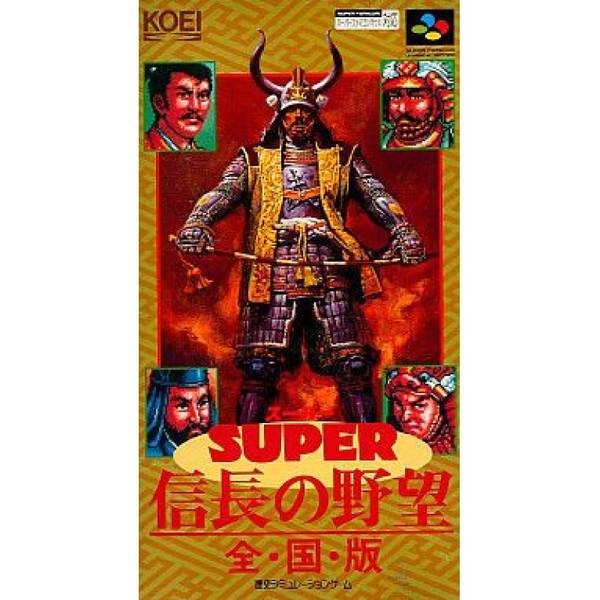
超級信長之野望-全國版
- 定 價: 9,240円
- 售 價: 0.00
- 庫存量: 0 套
- 已賣出: 0 套
人氣指數: 0 / 6 顆星