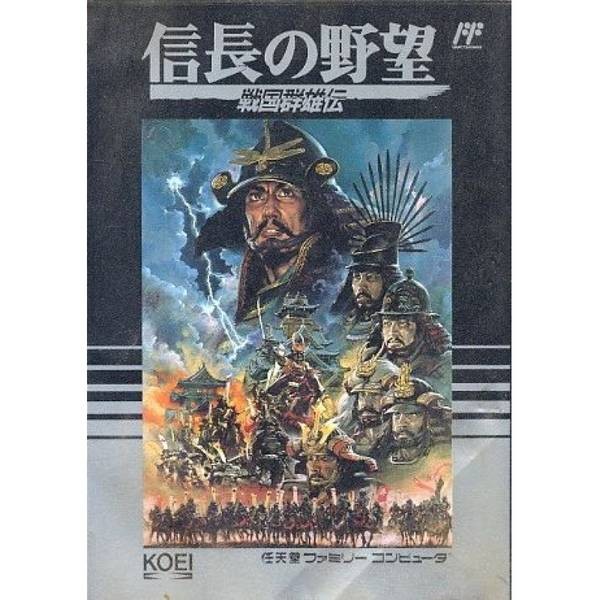
信長之野望:戰國群雄傳
 1990-02-03
由 Koei 於 1990 年 2 月 3 日在任天堂 Famicom(紅白機)上推出的《信長之野望:戰國群雄傳》(Nobunaga no Yabou: Sengoku Gunyuuden/信長の野望・戦国群雄伝),是《信長之野望》系列發展過程中的關鍵轉捩點,也是歷史模擬遊戲邁向成熟的重要里程碑。承接前作《全國版》的基礎,首次導入「武將個人」的概念,讓整體遊戲從單純的數值經營,躍升為一場充滿人物情感與歷史厚度的戰國群像劇。
在系統設計上,展現當時紅白機少見的大規模數據運算能力。遊戲中登場約 400 名真實存在於日本戰國時代的武將,每個人都擁有不同的能力值與特性,例如政治、戰鬥與智略等。玩家不再只是抽象地管理國家,而是必須思考該讓誰負責開墾內政、誰適合領兵出征,這種「用人」的概念大幅提升策略深度與代入感。即使受限於 8 位元主機性能,遊戲仍透過細緻的武將頭像與簡潔有力的大地圖,成功營造出濃厚的歷史氛圍。音樂方面則由菅野洋子操刀,其氣勢磅礡的配樂進一步強化玩家在運籌帷幄時的沉浸感。
時代背景設定在 16 世紀的日本戰國時代,這是一個因 應仁之亂 而導致中央政權崩解的混亂時期。可以選擇包括 織田信長、武田信玄、上杉謙信 等知名大名作為起點,透過經營領地、發展經濟、外交結盟與軍事擴張,逐步壯大勢力。最終目標是統一全日本,結束長達百年的戰亂局面,實現「天下布武」的理想。
在操作層面,確立後來光榮歷史模擬遊戲的核心框架。每個月都需在有限的行動力中做出抉擇,是優先發展農業、提升治水能力,還是進行軍備擴充與招募士兵,都會對國力產生長遠影響。而戰鬥系統則迎來重大進化,當兩軍交戰時,會切換至獨立的戰術地圖進行實際對陣,不再只是單純的數值比拼。可以運用夜襲、火計、混亂等戰術,甚至在兵力劣勢下逆轉戰局。如果能成功突襲敵方本陣或擊倒敵方大名,往往可以一舉奠定勝利。
此外,武將的忠誠度管理也是遊戲的重要一環。玩家必須透過賞賜金錢或茶器來維持部下的忠心,否則優秀人才可能被敵方挖角,甚至背叛投敵。這種對「人心」的經營,使遊戲不僅僅是軍事與經濟的較量,更是一場心理與信任的博弈。
整體而言,在當時獲得極高評價,被視為定義「光榮式策略遊戲」的代表作。評論普遍認為,引入武將個人系統後,玩家會對歷史人物產生情感連結,例如培養一位原本默默無聞的武將,最終成為統一天下的重要支柱,這種成長與陪伴的體驗極具魅力。儘管其複雜的系統對新手而言門檻不低,但一旦熟悉後,那種掌控局勢、逐步吞併諸國的成就感,往往讓人沉迷其中。
對許多老玩家而言,這款遊戲最深刻的回憶,往往來自那些充滿掙扎與抉擇的瞬間。像是好不容易俘虜了強敵,卻因對方誓死不降而不得不痛下殺手的矛盾;或是在夜戰中以少勝多,一把火燒毀敵軍補給線的驚險逆轉。這些由玩家親手寫下的歷史片段,使《信長之野望:戰國群雄傳》不只是遊戲,更像是一部可以親自參與的戰國史詩。
Released by Koei on February 3, 1990 for the Nintendo Famicom (NES), Nobunaga’s Ambition: Sengoku Gunyuuden (信長の野望・戦国群雄伝) stands as a crucial turning point in the evolution of the long-running Nobunaga’s Ambition series and a milestone in historical simulation games. Building upon its predecessor, it was the first entry to introduce the concept of individual officers, transforming the experience from a purely numerical strategy game into a sweeping historical drama driven by human ambition and personality.
From a systems perspective, the game showcased an impressive level of data complexity for an 8-bit console. It featured around 400 real historical figures from Japan’s Sengoku period, each with distinct attributes such as politics, war ability, and intelligence. Instead of managing territories abstractly, players had to carefully assign the right people to the right tasks, whether governing provinces or leading armies into battle. Despite hardware limitations, the game delivered a strong sense of immersion through detailed character portraits and a clear, functional map design. The soundtrack, composed by Yoko Kanno, added a powerful and dramatic atmosphere that enhanced the feeling of commanding a nation during turbulent times.
The setting takes place in 16th-century Japan, a chaotic era following the Ōnin War, when central authority had collapsed and regional warlords fought for dominance. Players can choose from famous daimyo such as Oda Nobunaga, Takeda Shingen, and Uesugi Kenshin, each with their own starting conditions and challenges. Through domestic development, diplomacy, military expansion, and strategic planning, the ultimate goal is to conquer all provinces of Japan and bring an end to the age of war.
In terms of gameplay, the title established the core structure that would define Koei’s strategy games for decades. Each month, players must allocate limited action points to tasks such as agriculture, flood control, trade, or military preparation. Combat also saw a major evolution: instead of simple numerical comparisons, battles shift to dedicated tactical maps where positioning and timing matter. Players can employ strategies like night attacks, confusion tactics, or fire assaults to turn the tide of battle. Even with fewer troops, a well-executed plan—such as striking the enemy’s main camp or defeating their leader—can secure victory.
Another key element is officer loyalty. To maintain control over talented subordinates, players must reward them with gold or valuable tea utensils. Neglecting this aspect can lead to defections or betrayal, adding a psychological layer to the gameplay. This emphasis on managing people, not just resources, deepens the strategic experience and reinforces the game’s human dimension.
Critically, Sengoku Gunyuuden was praised as a transformative work that defined the “Koei-style” strategy formula. By introducing individual officers, players began to form emotional attachments to historical figures, nurturing their growth and relying on them in pivotal moments. Although its complexity posed a challenge for newcomers, those who mastered it found immense satisfaction in gradually expanding their domain and shaping the fate of Japan.
For many players, the most memorable moments come from the difficult decisions and dramatic turns of fate the game creates. Whether it’s capturing a legendary general only to execute him after repeated refusals to surrender, or achieving a stunning comeback by burning the enemy’s supply lines during a night battle, these experiences make the game feel less like a simulation and more like a living historical epic shaped by the player’s own choices.
運費計算方式:
貨款滿1000元運費外加90元
貨款1000以下:買1件運費外加 60元,買2件運費外加 70元,
買3件運費外加 80元 ,買4件運費外加 90元
貨到付款外加30元手續費
外島及大陸地區運費另計
付款方式:
線上刷卡:本站採用Paypal線上刷卡
虛擬帳號匯款:屬於您專屬的虛擬帳戶,方便站長查帳使用,本站強力推薦
實體ATM匯款:請將匯款帳號記錄下來至各大銀行ATM提款機轉帳
超商條碼繳費:請列印本站提供的條碼至四大超商繳費
線上轉帳:透過玉山銀行線上ATM轉帳(此系統只支援IE瀏覽器)
貨到付款:本站採用黑貓宅急便貨到付款
其他注意事項:
如需購買線上點數卡請直接跟站長連絡,本站不提供點數卡的線上付款
-
信長之野望:戰國群雄傳
- 定 價: 12,390円
- 售 價: 350.00
- 庫存量: 1 套
- 已賣出: 0 套
人氣指數: 0 / 6 顆星 -
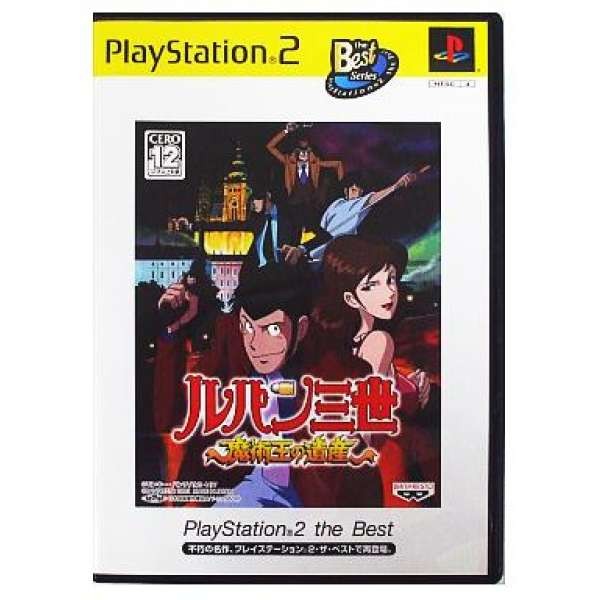
魯邦三世 魔術王的遺產 PlayStation2 the Best
- 定 價: 3,990円
- 售 價: 0.00
- 庫存量: 0 套
- 已賣出: 0 套
 人氣指數: 0 / 6 顆星