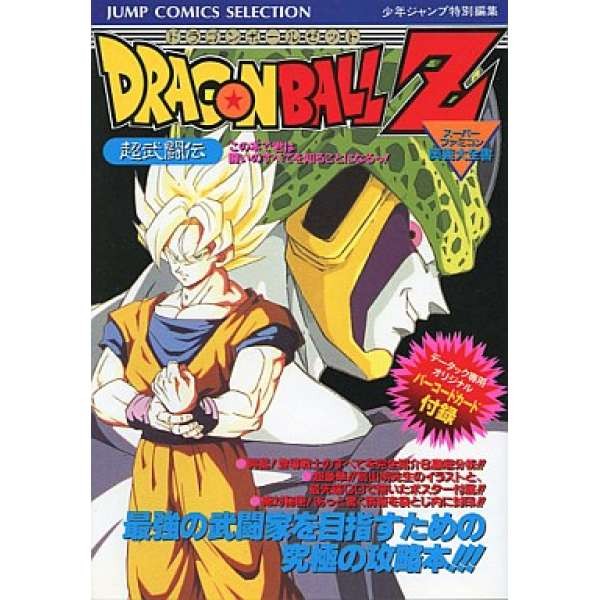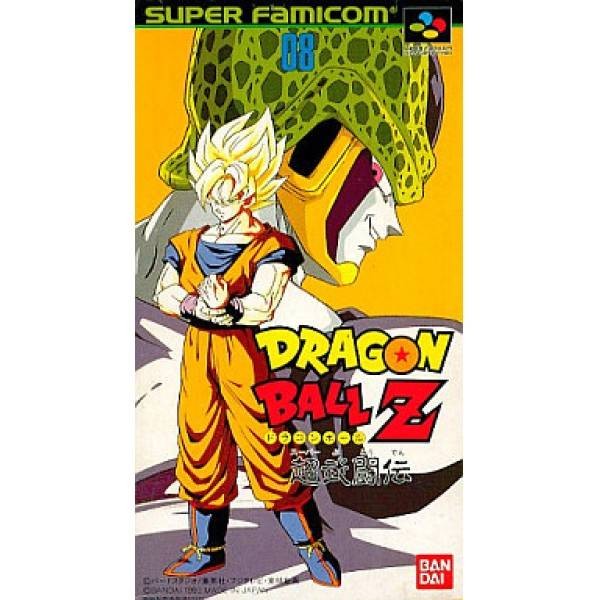
七龍珠Z 超級賽亞人傳說
 1992-01-25
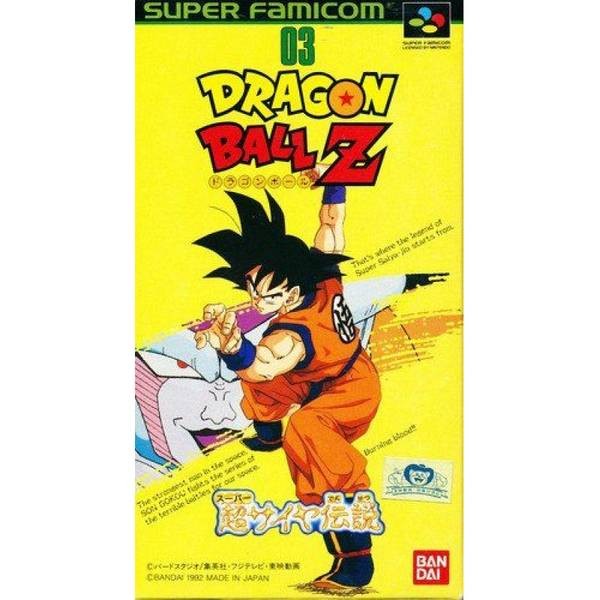
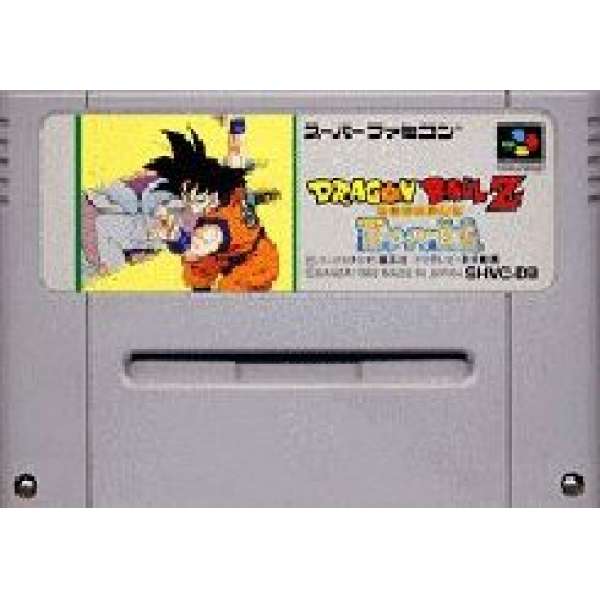
於1992年1月25日在超級任天堂(Super Famicom / SNES)推出的《Dragon Ball Z: Super Saiya Densetsu》,標誌著《七龍珠 Z》系列正式邁入 16 位元主機時代的重要里程碑。由Bandai發行,不僅承襲紅白機時期備受好評的卡片戰鬥系統,更透過硬體性能的飛躍進行全面升級,在畫面表現與劇情規模上都達到當時系列的新高點,成為許多玩家心中難以忘懷的經典之作。
在 16 位元主機剛起步的年代,玩家對於畫面與演出的期待遠高於以往,而本作也充分運用超任的發色數與縮放技術(Mode 7),成功呈現出地球與納美克星廣闊的舞台感。從城市、荒野到外星地貌,整體氛圍比起8位元時期更加鮮明且具層次。這款作品不僅可視為萬代卡片RPG系列的集大成,也因其高難度與大量隱藏要素,逐漸被視為一款帶有挑戰性的經典名作。
劇情方面,完整涵蓋《七龍珠 Z》中最具代表性的兩大篇章,從Raditz降臨地球揭開序幕開始,將親歷Goku與Piccolo聯手迎戰強敵的關鍵戰役,並見證地球戰士在荒野中對抗Vegeta與Nappa的生死激戰。隨著戰局推進,倖存的角色踏上前往納美克星的旅程,與Frieza軍團展開長時間的對抗,並逐步迎向最終決戰。在故事的高潮,玩家將見證悟空於極端憤怒中覺醒為傳說中的超級賽亞人,並在即將崩潰的納美克星上與弗力札展開史詩級對決,完整重現原作最震撼人心的橋段。
在系統設計上,延續系列標誌性的卡片戰鬥玩法,但整體操作體驗與視覺呈現皆有顯著進化。玩家在探索階段可以自由於地圖上飛行,透過選單管理角色狀態與道具;進入戰鬥後,畫面下方會隨機出現卡片,玩家必須將其分配給隊伍中的每位成員。卡片上的星號代表攻擊力,漢字則象徵防禦能力,而中央的流派符號則與角色屬性產生連動,當兩者契合時,便能觸發威力驚人的全體攻擊。這種結合運氣與策略的設計,使每一回合的選擇都充滿變數與思考空間。
受益於超任的性能提升,戰鬥演出成為本作最令人印象深刻的部分之一。當角色施展如「龜派氣功」或「魔閃光」等招式時,畫面會進行縮放與鏡頭切換,先呈現角色特寫,再拉遠展現能量爆發的衝擊力,營造出接近動畫分鏡的效果。這種視覺演出在當時堪稱頂級,也讓戰鬥過程更具臨場感。此外,玩家可以自由調整隊伍編成,並透過各種道具輔助冒險,使整體玩法更具彈性。
在市場評價方面,本作呈現出鮮明的兩極化特色。其優點在於畫面與演出水準極高,角色造型更貼近原作比例,戰鬥魄力十足,再加上隱藏結局與特殊事件的設計,大幅提升重複遊玩的價值。例如在特定條件下觸發的隱藏劇情,甚至能帶來與原作不同的發展,為玩家提供額外驚喜。然而,其缺點同樣明顯。遊戲以極高的隨機遇敵率與嚴苛難度聞名,玩家在地圖上飛行時往往頻繁進入戰鬥,而敵人強度提升迅速,若未投入大量時間培養角色,很容易在面對基紐特戰隊或最終敵人時陷入苦戰。此外,雖然戰鬥動畫精美,但無法跳過的設計與頻繁的轉場,也可能在長時間遊玩後產生疲勞感。
整體而言,《Dragon Ball Z: Super Saiya Densetsu》是一款極具代表性的16位元 RPG 作品,它成功將《七龍珠》世界中「戰鬥力數值化」的魅力轉化為具體的遊戲體驗。儘管其節奏對現代玩家而言略顯緩慢,但對於希望親身重溫納美克星篇那段壯闊歷史的玩家來說,這款作品依然擁有不可取代的地位,是系列發展歷程中一座重要的里程碑。
Released on January 25, 1992, for the Super Famicom (SFC/SNES), Dragon Ball Z: Super Saiya Densetsu (ドラゴンボールZ 超サイヤ伝説) marked the series’ official entry into the 16-bit era as its first large-scale RPG. Building upon the highly praised “card battle system” from its Famicom predecessors, the game introduced a significant visual overhaul while expanding its narrative scope to cover two of the most iconic arcs in the entire series.
Published by Bandai, the game was one of the early flagship titles for the Super Famicom. At a time when players had high expectations for the transition from 8-bit to 16-bit hardware, the game delivered by taking full advantage of the console’s expanded color palette and Mode 7 capabilities. This allowed it to vividly recreate the vast landscapes of Earth and Planet Namek as seen in the original work. Not only did it represent the culmination of Bandai’s card-based RPG design philosophy, but its high difficulty and unique hidden elements also made it a love-it-or-hate-it classic among dedicated Dragon Ball fans.
The story is remarkably comprehensive, fully covering both the Saiyan Saga and the Namek Saga from Dragon Ball Z. It begins with Raditz’s arrival on Earth and the kidnapping of Gohan, leading players through Goku and Piccolo’s desperate alliance, as well as the intense battles against Vegeta and Nappa in the wastelands. The surviving warriors then journey to Planet Namek in search of the Dragon Balls, where they engage in a prolonged struggle against Frieza’s forces that spans hundreds of in-game days. The narrative culminates in the legendary final battle, where Goku, driven by overwhelming rage, awakens as the mythical Super Saiyan and confronts Frieza on the brink of Namek’s destruction.
In terms of gameplay, the title retains the core “card battle” mechanics of the series but significantly enhances both control and visual presentation. Outside of combat, players can freely explore and fly across the map using the directional pad, with a simple button press bringing up the command menu. During battles, five cards appear randomly at the bottom of the screen each turn. The stars displayed at the top of each card, ranging from 1 to 7 and Z, determine attack power, while the kanji at the bottom indicate defensive strength. Players must strategically assign these cards to each character every turn, creating a system that demands careful planning and resource management.
Combat styles further deepen the system. When a character’s fighting style—such as “Demon,” “God,” or “Turtle”—matches the type shown on the card, it can trigger powerful group attacks. The game also showcases the Super Famicom’s hardware capabilities through dynamic zooming effects and cinematic presentation. Signature moves like the Kamehameha or Special Beam Cannon are accompanied by dramatic close-ups followed by wide-angle explosions, delivering a level of visual spectacle that was considered cutting-edge at the time. Players can also manage their party lineup freely and utilize items such as healing herbs or Dragon Radars to assist in progression.
Reception to the game was notably polarized yet impactful. On one hand, its visual presentation was widely praised as being near the pinnacle of what was possible on the system at the time. Character designs closely resembled their original manga and anime counterparts, and special attacks carried impressive weight and intensity. The inclusion of hidden endings and secret bosses—such as scenarios where Vegeta can transform into a Super Saiyan under specific conditions—greatly enhanced replay value and provided exciting surprises for dedicated players.
On the other hand, the game became infamous for its extremely high random encounter rate and punishing difficulty. Players could be thrown into battles within seconds of flying across the map, and enemy strength scaled rapidly. Without extensive level grinding, it was easy to be overwhelmed by formidable foes like the Ginyu Force or Frieza. Additionally, while the battle animations were visually impressive, their unskippable nature and frequent transitions could lead to fatigue during extended play sessions.
Overall, Dragon Ball Z: Super Saiya Densetsu stands as one of the defining RPGs of the 16-bit era. It successfully translated the essence of Dragon Ball’s power-scaling battles into a numerical and strategic gameplay system. Although its pacing may feel slow by modern standards, for those wishing to relive the epic saga of Planet Namek, it remains an unforgettable and irreplaceable classic.
運費計算方式:
貨款滿1000元運費外加90元
貨款1000以下:買1件運費外加 60元,買2件運費外加 70元,
買3件運費外加 80元 ,買4件運費外加 90元
貨到付款外加30元手續費
外島及大陸地區運費另計
付款方式:
線上刷卡:本站採用Paypal線上刷卡
虛擬帳號匯款:屬於您專屬的虛擬帳戶,方便站長查帳使用,本站強力推薦
實體ATM匯款:請將匯款帳號記錄下來至各大銀行ATM提款機轉帳
超商條碼繳費:請列印本站提供的條碼至四大超商繳費
線上轉帳:透過玉山銀行線上ATM轉帳(此系統只支援IE瀏覽器)
貨到付款:本站採用黑貓宅急便貨到付款
其他注意事項:
如需購買線上點數卡請直接跟站長連絡,本站不提供點數卡的線上付款
-
七龍珠Z 超級賽亞人傳說
- 定 價:
- 售 價: 499.00
- 庫存量: 1 套
- 已賣出: 0 套
人氣指數: 0 / 6 顆星