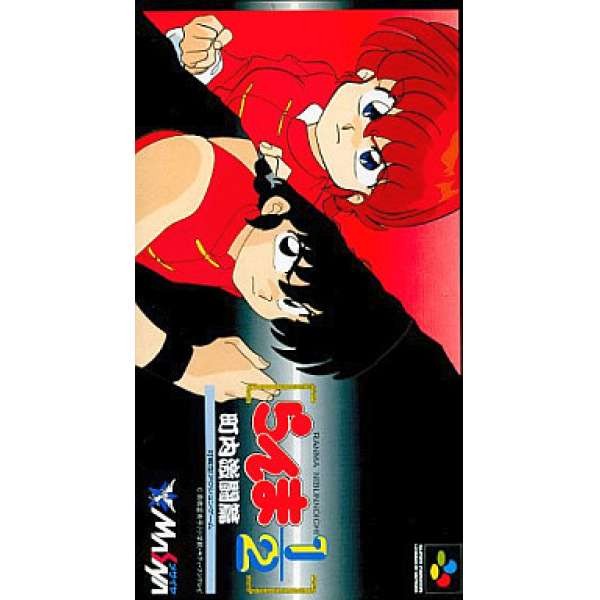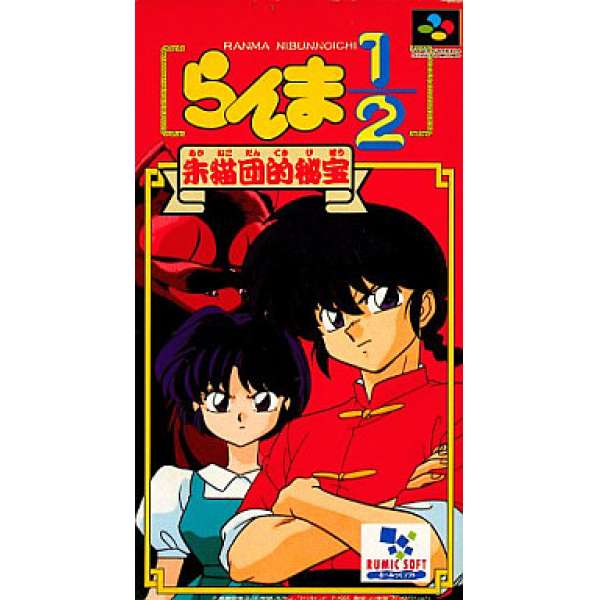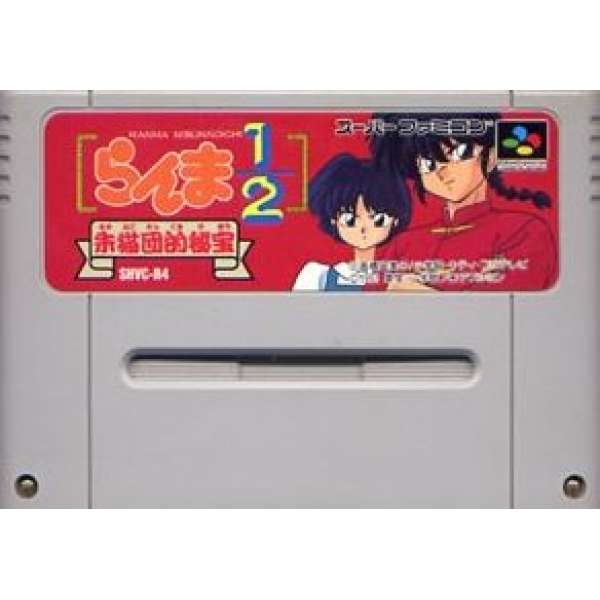
亂馬 1/2 町內激鬥篇
 1992-03-27
1992年3月27日於超級任天堂(SFC)推出的《亂馬 1/2 町內激鬥篇》(らんま1/2 町内激闘篇),是萬代(Bandai)以高橋留美子經典作品《亂馬 1/2》為藍本打造的首款16位元格鬥遊戲。在當時《快打旋風》帶動格鬥遊戲風潮逐漸升溫的背景下,並沒有走向硬派寫實的競技路線,而是選擇忠實呈現原作的幽默節奏與角色魅力,讓玩家在輕鬆愉快的氛圍中體驗對戰樂趣。正因如此,它不僅成功在SFC初期市場站穩腳步,也為後續多款《亂馬》改編格鬥作品奠定風格基礎。
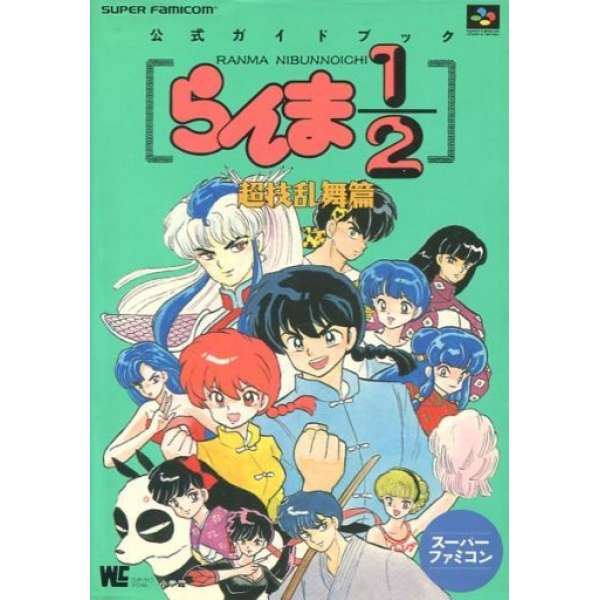
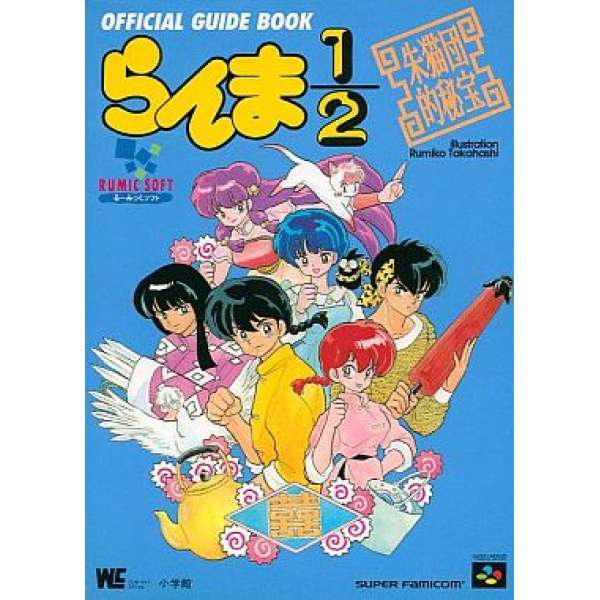
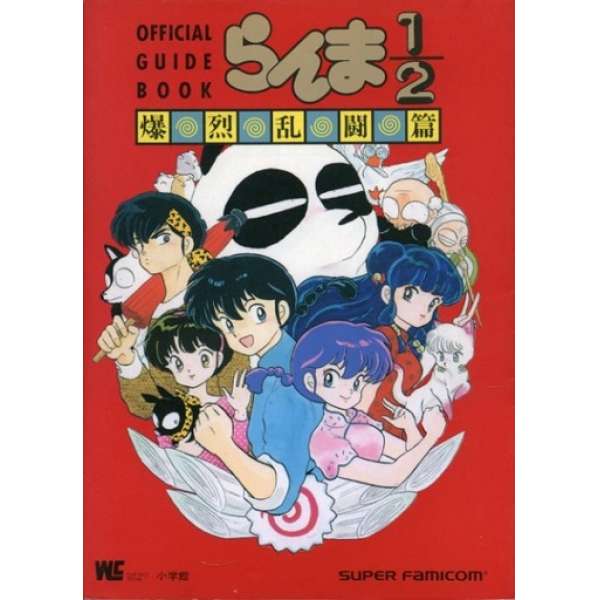
從整體設計來看,更像是一場充滿笑料與混亂的「社區大亂鬥」。以明亮鮮豔的色彩與比例適中的角色模組呈現,動作誇張卻富有漫畫感,充分展現高橋留美子筆下那種介於武術與喜劇之間的獨特魅力。登場角色涵蓋了作品中最具代表性的核心人物,包括男女亂馬(兩者在攻擊節奏與手感上略有差異)、天道茜、響良牙、珊璞、九能帶刀,以及以熊貓形態登場的早乙女玄馬,並加入原創敵手來補強對戰陣容。這樣的配置在當時不僅已相當豐富,也讓玩家能從不同角度體驗角色個性與戰鬥風格。
在劇情鋪陳上,並未採用傳統英雄拯救世界的敘事框架,而是回歸《亂馬 1/2》最核心的「日常混亂」。故事圍繞風林館高中與其周邊社區展開,各路角色因為各種荒謬又合理的理由捲入紛爭,有人為了感情糾葛出手,有人為了爭奪奇妙道具,也有人單純想一較高下。玩家在這樣的背景下逐步擊敗對手,最終迎戰壓軸敵人。過場中穿插大量角色對話與頭像演出,讓亂馬因遇水變身而產生的困擾、以及夥伴之間的吵鬧互動,都被活靈活現地呈現出來,使整體節奏更貼近動畫喜劇的調性。
在操作與系統層面,明顯以「容易上手」為設計核心。跳躍採用按鍵輸入而非方向鍵,對習慣動作遊戲的玩家來說相當直覺。攻擊則分配在A、B、X、Y四個按鍵上,對應不同強度的拳腳,搭配簡單的後拉防禦即可形成基本攻防循環。相較於需要複雜搓招的主流格鬥遊戲,本作最大的特色在於「蓄力式必殺技」:只要按住攻擊鍵進行蓄力,再於適當時機放開,角色便能施展招牌招式,例如亂馬的火中天津甘栗拳或良牙的獅子咆哮彈。這種設計大幅降低操作門檻,同時保留施放必殺技時的爽快感與節奏張力。除此之外,場景中的可破壞物件與角色的特殊反應動作,也讓每場戰鬥更具變化與趣味性。
從市場評價來看,這是一款明確以粉絲取向為核心的作品。其畫面成功還原原作細膩的線條與柔和色彩,角色動作生動自然,搭配輕快活潑的音樂,營造出濃厚的 90 年代動漫氛圍。對當時的玩家而言,能在電視上操作熟悉的角色並施展經典招式,本身就具有極高的吸引力與滿足感。然而,若從純格鬥遊戲的角度審視,其判定與平衡性略顯寬鬆,角色性能差異有時會影響對戰的穩定性,加上招式數量與系統深度相對簡單,使其在競技性上略遜於後來的續作與同期作品。
整體而言,《亂馬 1/2 町內激鬥篇》是一部成功將動漫精神轉化為遊戲體驗的早期代表作。它沒有一味追求複雜與高難度,而是選擇以輕鬆、幽默與角色魅力作為核心,讓玩家在歡笑與對戰之間找到樂趣。即使在今日回顧,它依然是SFC初期極具代表性的娛樂型格鬥遊戲之一,也是一段屬於16位元時代的輕快回憶。
Released on March 27, 1992 for the Super Famicom (SFC), Ranma 1/2: Neighborhood Combat (らんま1/2 町内激闘篇) was Bandai’s first 16-bit fighting game based on Rumiko Takahashi’s classic manga and anime Ranma 1/2. At a time when the fighting game boom was just beginning to take off, the game stood out with its vibrant character personalities, humorous animation, and faithful recreation of the original art style. It quickly secured a place in the early SFC market and laid the foundation for a series of later Ranma fighting titles.
The game presents itself as a lively and entertaining neighborhood brawl. Published by Bandai, the development team placed strong emphasis on blending “character charm” with accessible, lighthearted combat. Unlike more serious, impact-focused fighting games of the era such as Street Fighter, this title features bright visuals, well-proportioned character sprites, and movements infused with the comedic spirit of the original manga. It includes eight core characters, such as both male and female versions of Ranma—each with slightly different fighting styles—alongside Akane Tendo, Ryoga Hibiki, Shampoo, Tatewaki Kuno, Genma Saotome in his panda form, and an original boss character. As an early SFC release, it also showcased the console’s ability to handle large sprites and incorporate varied voice samples.
The story mode avoids any heavy “save the world” narrative, instead perfectly capturing the everyday chaos and comedic rivalries that define the original series. The plot revolves around the “neighborhood” surrounding Furinkan High School, where characters are drawn into a massive free-for-all for all sorts of bizarre reasons—whether it’s competing for a legendary treasure, resolving romantic disputes, or simply testing martial arts skills. After selecting a character, players must defeat a series of familiar opponents before facing a mysterious final challenger. The story sequences are filled with dialogue and expressive character portraits, vividly portraying Ranma’s predicament of transforming when splashed with water, as well as the eccentric personalities of the cast.
In terms of gameplay, the system is designed with accessibility in mind, allowing even players unfamiliar with complex fighting game inputs to jump in quickly. The basic combat system uses a somewhat unusual “button-to-jump” mechanic instead of pushing the directional pad upward, making it more intuitive for players accustomed to platform games. The A, B, X, and Y buttons correspond to different light and heavy punches and kicks, while guarding is performed by holding back.
One of the game’s most distinctive features is its charge-based special move system. By holding down a specific attack button and releasing it once the character has charged up—often indicated by a visual cue—players can unleash signature techniques, such as Ranma’s “Kachū Tenshin Amaguriken” or Ryoga’s “Shi Shi Hokodan.” This approach eliminates the need for complicated motion inputs, creating a smoother and more approachable battle flow.
運費計算方式:
貨款滿1000元運費外加90元
貨款1000以下:買1件運費外加 60元,買2件運費外加 70元,
買3件運費外加 80元 ,買4件運費外加 90元
貨到付款外加30元手續費
外島及大陸地區運費另計
付款方式:
線上刷卡:本站採用Paypal線上刷卡
虛擬帳號匯款:屬於您專屬的虛擬帳戶,方便站長查帳使用,本站強力推薦
實體ATM匯款:請將匯款帳號記錄下來至各大銀行ATM提款機轉帳
超商條碼繳費:請列印本站提供的條碼至四大超商繳費
線上轉帳:透過玉山銀行線上ATM轉帳(此系統只支援IE瀏覽器)
貨到付款:本站採用黑貓宅急便貨到付款
其他注意事項:
如需購買線上點數卡請直接跟站長連絡,本站不提供點數卡的線上付款
-
亂馬 1/2 町內激鬥篇
- 定 價: 9,240円
- 售 價: 650.00
- 庫存量: 1 套
- 已賣出: 0 套
人氣指數: 0 / 6 顆星