
雞腳女巫
《雞腳女巫》(Coven of the Chicken Foot)是由Wildflower Interactive開發的單機敘事型冒險遊戲,作品風格獨特,融合平台解謎、角色互動與高度情感導向的敘事設計。遊戲刻意選擇一個與主流奇幻冒險相反的切入點,將視角放在「冒險結束之後」的世界,當地下城早已被洗劫、怪物被所謂的英雄斬殺殆盡,真正的故事才悄然開始。
在劇情層面,主角是名為葛蒂(Gertie)的年邁女巫。她並非傳統印象中年輕、強大、充滿戰鬥力的英雄,而是一位歷經歲月、行事謹慎卻意志堅定的魔女。故事背景設定在一個對「英雄」過度崇拜的世界,那些揮舞武器、征服地下城的人們離去後,留下的是殘破的土地、被遺忘的亡者,以及失衡的世界。葛蒂長久以來等待著證明自己的時刻,為了完成魔女集會的誓約,她必須踏上旅程,對抗英雄們留下的後果與傲慢。
在這趟旅途中,葛蒂並非孤身一人。她與一隻巨大、神秘且行為難以預測的生物結伴同行,這段關係成為整個遊戲敘事的核心。全程不使用任何對白或文字敘述,角色之間也不存在共同語言,只能透過動作、環境變化與生物的反應,慢慢理解彼此的意圖與情感。這種「無語敘事」的設計,讓故事不再被明確告知,而是需要玩家主動觀察與詮釋,也讓情感流動顯得更加內斂而真實。開發團隊希望藉此引導玩家重新思考「英雄是什麼」,以及當故事不再從勝利者的角度出發時,世界會呈現出怎樣的面貌。
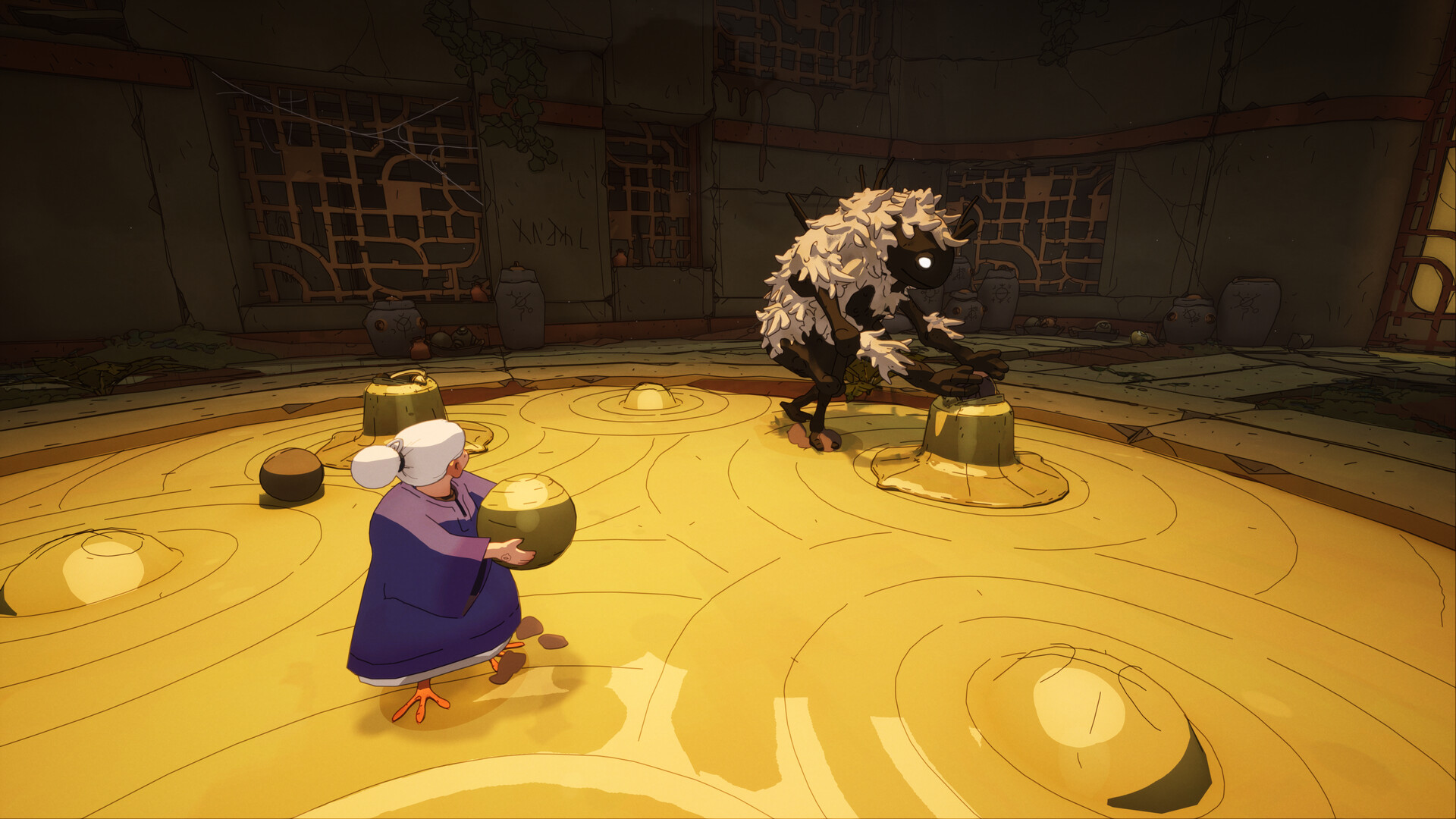
在操作與玩法上,這並不是以戰鬥為主的動作遊戲。葛蒂不會揮劍,也無法靠敏捷的跳躍突破關卡,她的能力來自觀察、耐心與與同伴之間的默契。屬於偏向平台解謎的設計,需要依賴環境互動與同伴行為來前進。最具特色的是所謂的「可遊玩的關係系統」,那隻神秘生物並非單純的工具或指令型AI,而是一個會學習、會改變、甚至擁有自身動機的存在。它會觀察玩家的行動方式,隨著旅程推進逐漸展現不同的能力與行為模式,進而影響關卡的解法與探索路線。
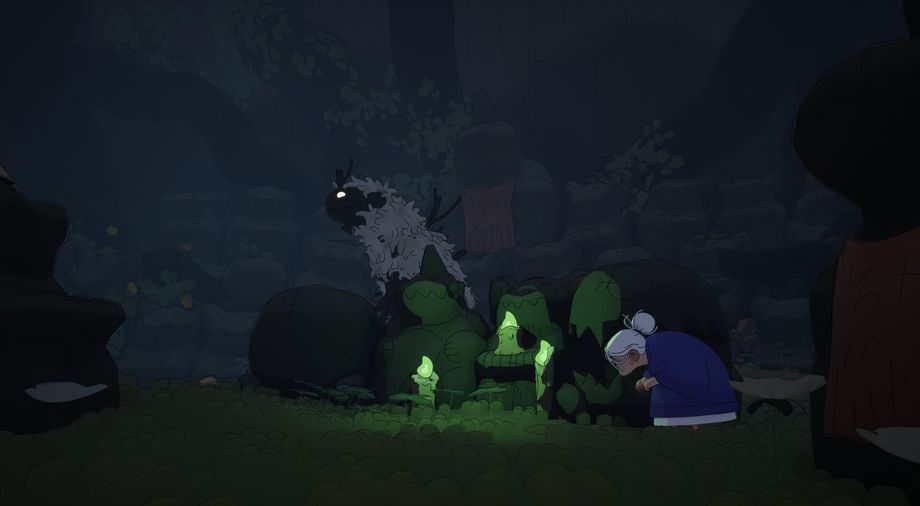
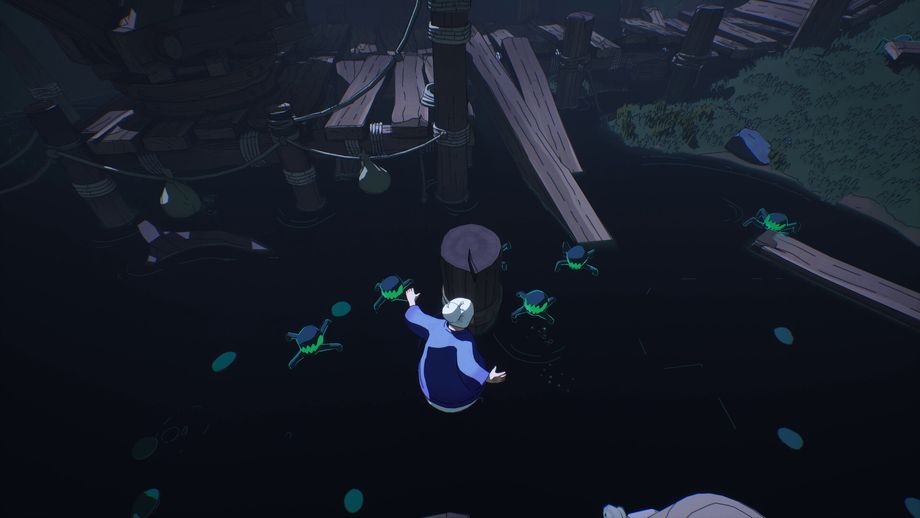
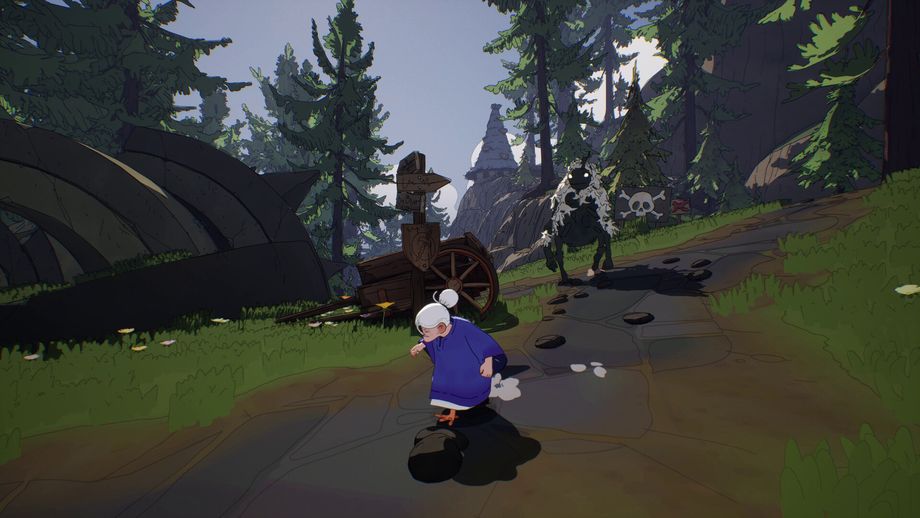
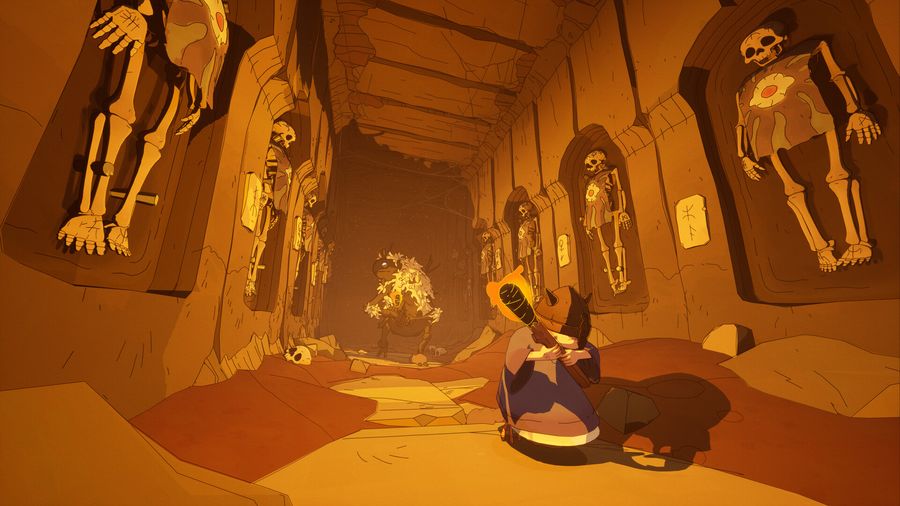
這種設計讓遊戲體驗具有高度個人化色彩,不同玩家與同伴之間建立的關係,可能導向截然不同的互動節奏。搭配半開放式的地圖結構與系統導向的關卡設計,遊戲鼓勵玩家主動探索,而非被劇情或任務強制推著前進。地下城、森林、沼澤與被遺忘英雄的地下墓穴,都透過環境細節訴說過往,讓世界本身成為敘事的一部分。整體美術採用手繪風格,色彩柔和卻帶有陰鬱氣息,在童話般的外表下隱含黑暗與哀傷,形成強烈的情緒對比。
在市場評價與玩家期待方面,自公開以來便吸引不少關注,尤其是在獨立遊戲與敘事導向作品的社群中。許多玩家對其反英雄視角、老年女性作為主角,以及「關係即玩法」的設計理念表達高度興趣。這類作品雖然不追求高速爽快的操作回饋,但在情感層次與主題深度上,正好填補了主流市場較少觸及的空白。當然,也有玩家對無對白敘事與偏慢節奏保持觀望,擔心解謎與同伴行為的變化是否能在長時間遊玩中維持新鮮感。不過整體而言,市場反應以好奇與期待為主,特別是對於希望體驗不同於傳統冒險敘事的玩家而言,本作顯得相當具有吸引力。
整體來看,《雞腳女巫》是將焦點放在「關係、餘波與被忽視角色」上的作品。它不試圖塑造新的傳奇英雄,而是用安靜、細膩且略帶憂傷的方式,描繪一個冒險故事結束後仍在呼吸的世界。若玩家願意放慢腳步,接受沒有明說答案的敘事方式,並投入於與同伴逐步建立的情感連結之中,本作有潛力成為令人長久回味的獨立敘事冒險佳作。
Coven of the Chicken Foot is a single-player, narrative-driven adventure game developed by Wildflower Interactive. With a distinctive artistic and thematic style, it blends platforming puzzles, character interaction, and emotionally focused storytelling. Rather than following the conventions of traditional fantasy adventures, the game deliberately shifts its perspective to what comes after the adventure has ended. The dungeons have already been plundered, the monsters slain, and the so-called heroes have moved on—only then does the real story quietly begin.
On a narrative level, the protagonist is an elderly witch named Gertie. She is not the typical fantasy hero defined by youth, raw power, or combat prowess, but a weathered, cautious, and resolute figure shaped by time and experience. The world she inhabits is one that idolizes “heroes,” yet once these warriors depart, they leave behind ruined lands, forgotten dead, and a world thrown out of balance. Gertie has waited a long time for her chance to prove herself, and in order to fulfill an oath to her coven, she sets out on a journey to confront the consequences of heroic arrogance and the damage left in its wake.
Gertie does not travel alone. She is accompanied by a massive, mysterious creature whose behavior is unpredictable and whose presence forms the emotional core of the game. There is no spoken dialogue or written narration throughout the entire experience, and the two characters do not share a common language. Instead, players must slowly come to understand intentions and emotions through movement, environmental cues, and the creature’s reactions. This wordless approach to storytelling means the narrative is never explicitly told, but rather discovered through observation and interpretation, allowing emotions to emerge in a subtle, restrained, and deeply human way. Through this design, the developers encourage players to reconsider what it truly means to be a “hero,” and how a story changes when it is no longer told from the victor’s point of view.
In terms of gameplay and controls, Coven of the Chicken Foot is not a combat-driven action game. Gertie does not swing swords or rely on agile platforming to overcome obstacles. Her strength lies in patience, perception, and the bond she forms with her companion. The game leans toward platforming and puzzle-solving, with progression depending on environmental interaction and cooperation with the creature. Its most distinctive feature is what the developers call a “playable relationship system.” The companion is not a simple tool or command-based AI, but a living presence that learns, changes, and develops its own motivations. It observes the player’s behavior and gradually unlocks new abilities and patterns over the course of the journey, directly influencing how puzzles are solved and how areas are explored.
This design makes the experience highly personal, as different players may form different relationships with the companion, resulting in varied pacing and interaction styles. Combined with a semi-open world structure and systems-driven level design, the game encourages curiosity and exploration rather than forcing players down a rigid narrative path. Dungeons, forests, swamps, and crypts of fallen heroes all tell their stories through environmental details, allowing the world itself to function as a narrative voice. Visually, the game adopts a hand-drawn art style with soft colors and a gentle storybook aesthetic, contrasted by dark undertones of decay, loss, and sorrow, creating a striking emotional duality.
Regarding market reception and player expectations, Coven of the Chicken Foot has drawn notable attention since its reveal, particularly among fans of independent and narrative-focused games. Many players have expressed strong interest in its anti-hero perspective, its choice of an elderly woman as the protagonist, and the idea that “relationship itself is gameplay.” While it does not aim to deliver fast-paced action or immediate gratification, it fills a space often overlooked by mainstream releases, emphasizing emotional depth and thematic reflection instead. Some players remain cautiously optimistic, questioning whether the wordless storytelling and slower pacing can maintain long-term engagement, but overall sentiment leans toward curiosity and anticipation—especially among those seeking an alternative to conventional fantasy adventures.
Taken as a whole, Coven of the Chicken Foot is a game centered on relationships, aftermaths, and voices usually left unheard. Rather than forging a new legend of heroic triumph, it quietly and delicately portrays a world still breathing after the adventure has supposedly ended. For players willing to slow down, embrace ambiguity, and invest in an evolving emotional bond, the game has the potential to become a memorable and deeply affecting independent narrative experience.

運費計算方式:
貨款滿1000元運費外加90元
貨款1000以下:買1件運費外加 60元,買2件運費外加 70元,
買3件運費外加 80元 ,買4件運費外加 90元
貨到付款外加30元手續費
外島及大陸地區運費另計
付款方式:
線上刷卡:本站採用Paypal線上刷卡
虛擬帳號匯款:屬於您專屬的虛擬帳戶,方便站長查帳使用,本站強力推薦
實體ATM匯款:請將匯款帳號記錄下來至各大銀行ATM提款機轉帳
超商條碼繳費:請列印本站提供的條碼至四大超商繳費
線上轉帳:透過玉山銀行線上ATM轉帳(此系統只支援IE瀏覽器)
貨到付款:本站採用黑貓宅急便貨到付款
其他注意事項:
如需購買線上點數卡請直接跟站長連絡,本站不提供點數卡的線上付款
