古農村
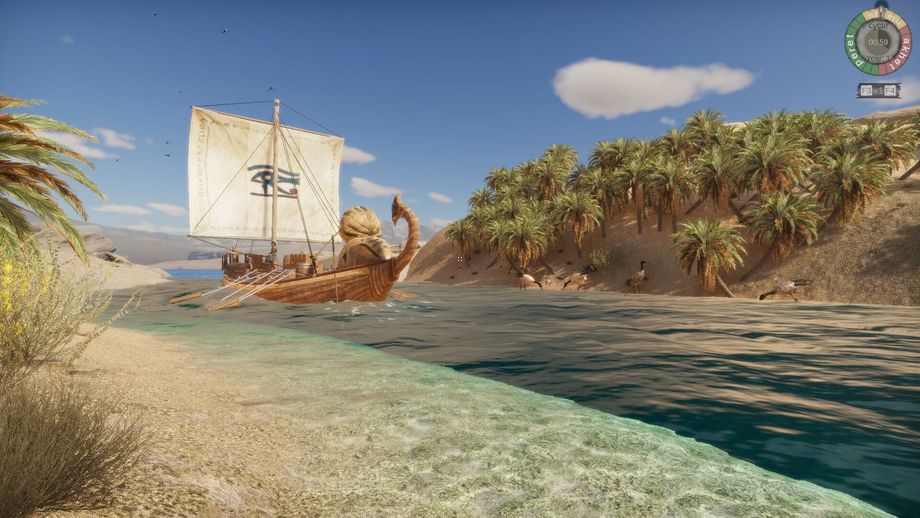
《古農莊》(Ancient Farm)是以古埃及文明為背景的沉浸式農耕模擬遊戲,由A2 Softworks開發。主打「從零開始、親手勞作」的真實農業體驗,玩家不再只是透過選單下指令,而是實際操控角色,在尼羅河畔的荒地上一步步建立屬於自己的古代農場。作品已確認將於2026年1月8日 登陸PC(Steam),並計畫於2026年晚些時候推出PlayStation 5、Xbox Series X|S以及Nintendo Switch 2版本。
在劇情設定上,並未採用強烈的主線敘事,而是以「生活即故事」作為核心理念。玩家扮演一名生活在古埃及的普通農民,沒有顯赫的身世,也沒有天降的資源或科技,一切都必須憑藉雙手與耐心慢慢累積。世界圍繞尼羅河展開,水源、土地與氣候決定一切生存與發展的可能性。隨著農場逐漸擴張,會解鎖更多工坊、生產建築與宗教設施,神廟的出現不只是視覺上的里程碑,也象徵聚落從單純農耕邁向文明核心的轉變。這種敘事方式讓玩家在不知不覺中,親身經歷一段由荒蕪走向繁榮的古埃及農業史。
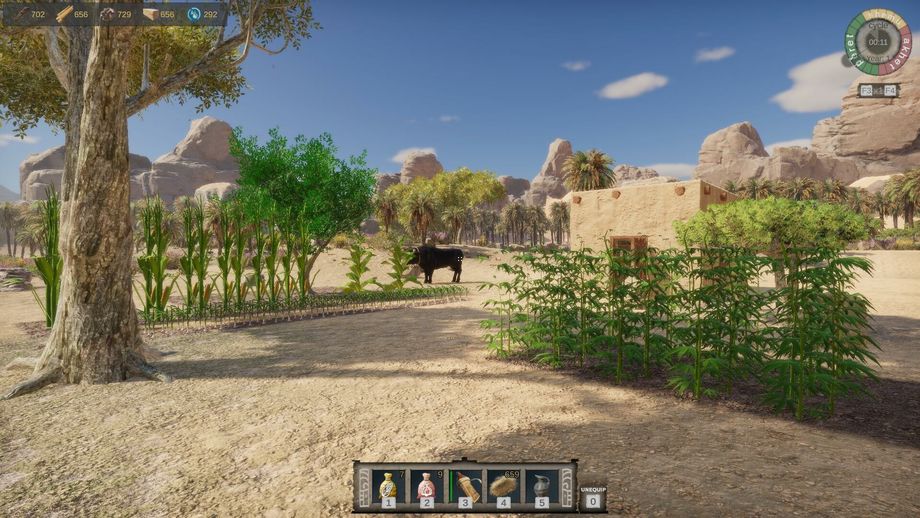
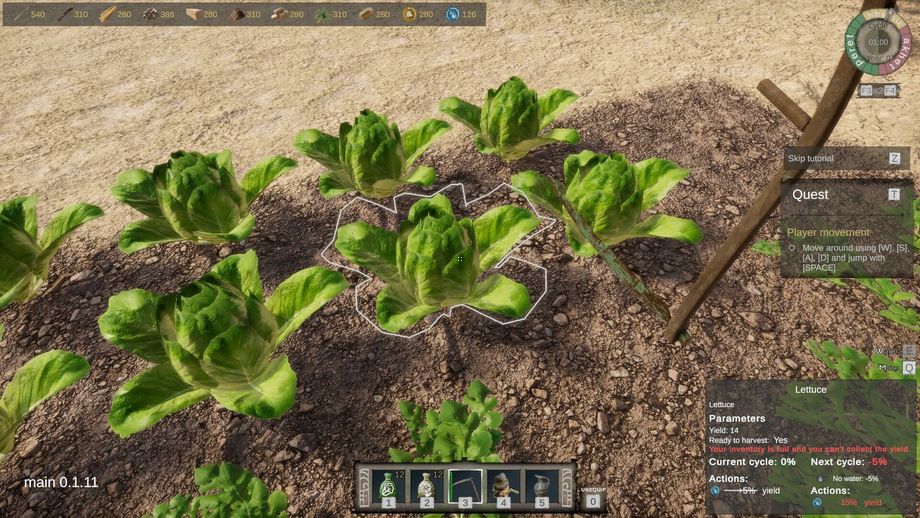
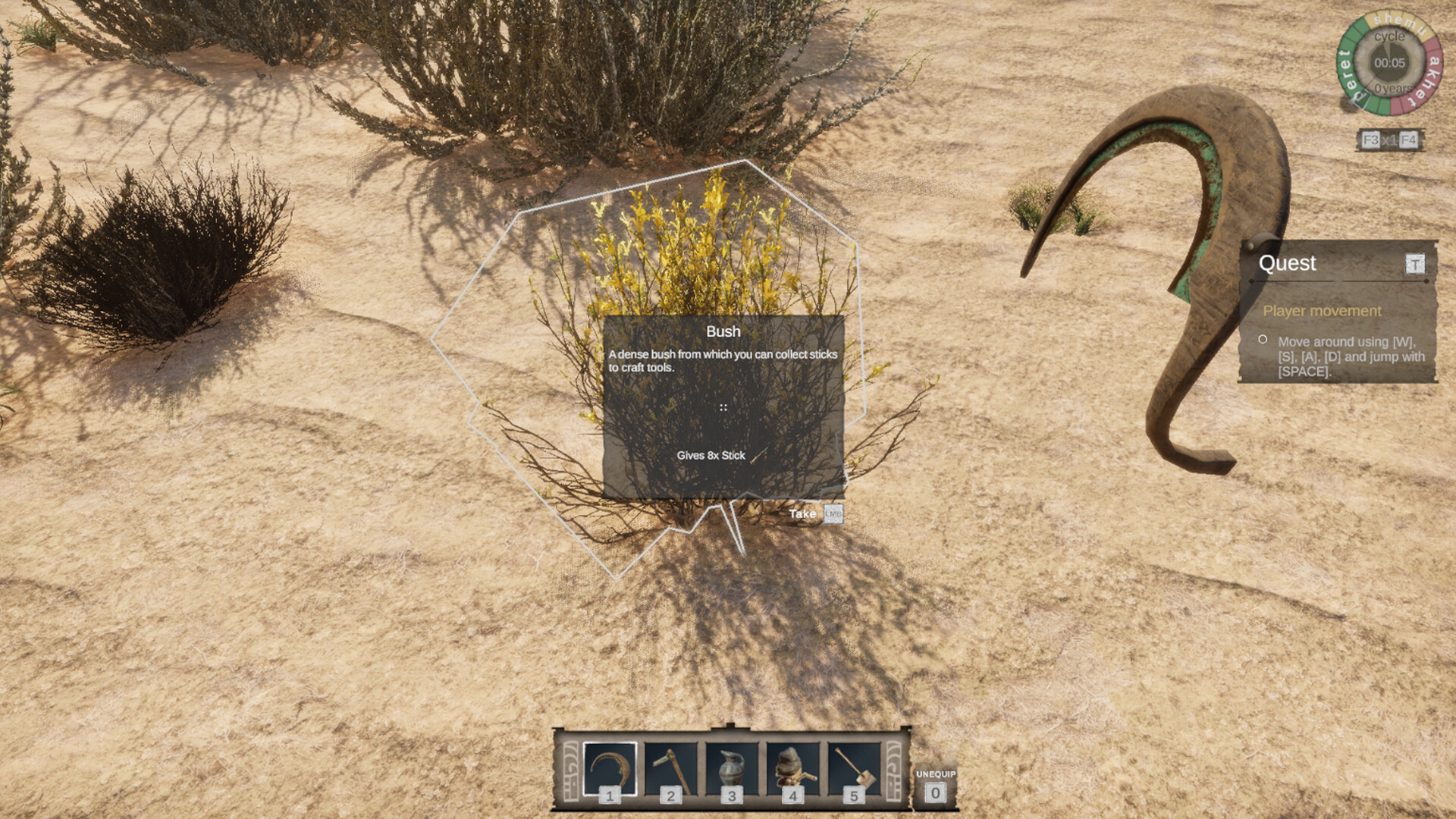
在操作與玩法層面,強調高度的手動與參與感。遊戲採用第三人稱視角,需要親自開墾土地、播種作物、引水灌溉並在合適的時機進行收割。作物並非「種下就等收成」,而是有完整的生長週期,澆水與施肥的時機至關重要,稍有疏忽就可能導致作物枯萎,前功盡棄。這種設計讓農耕不再只是例行作業,而是一種需要觀察、判斷與規劃的長期經營行為。
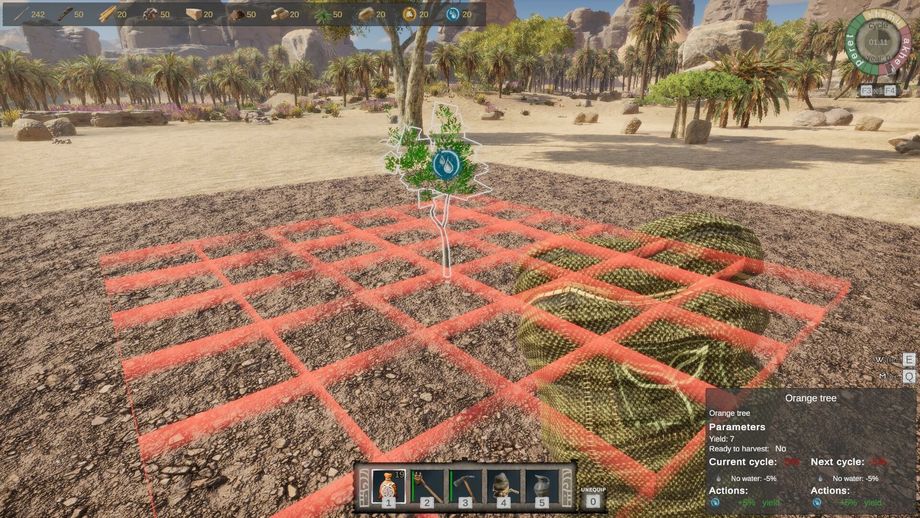
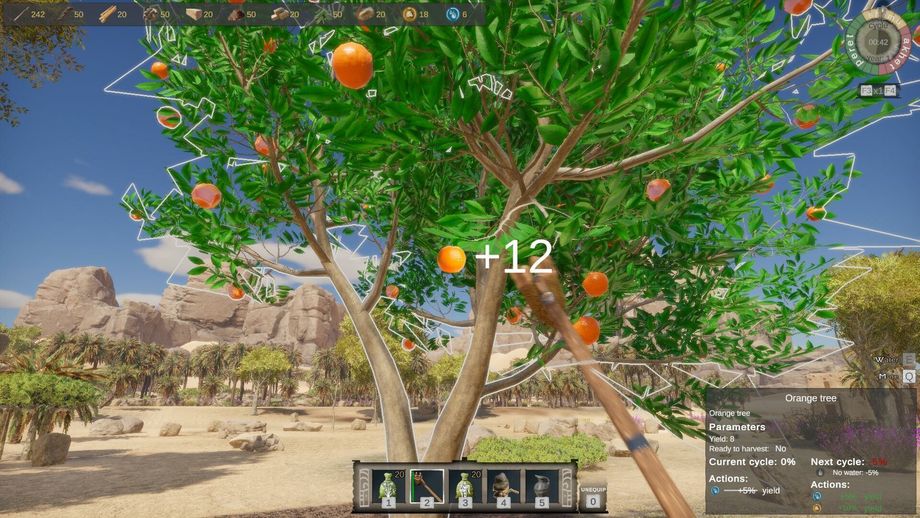
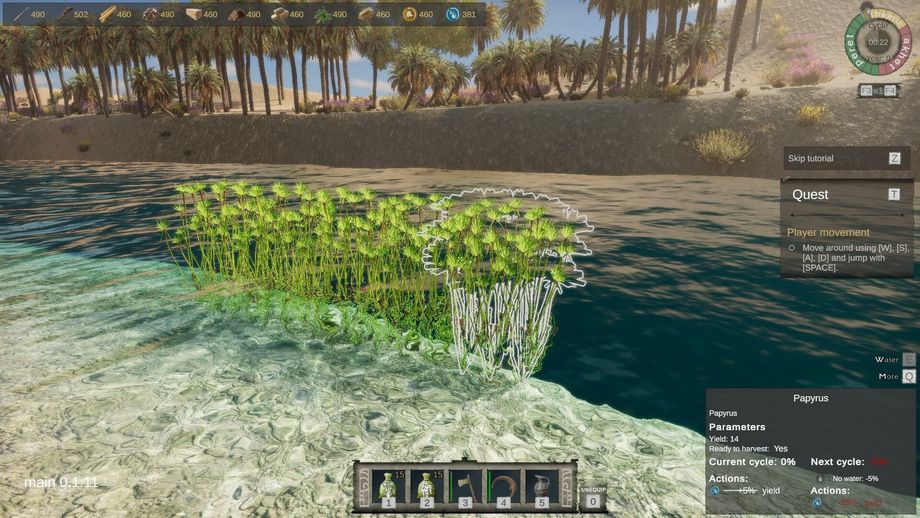
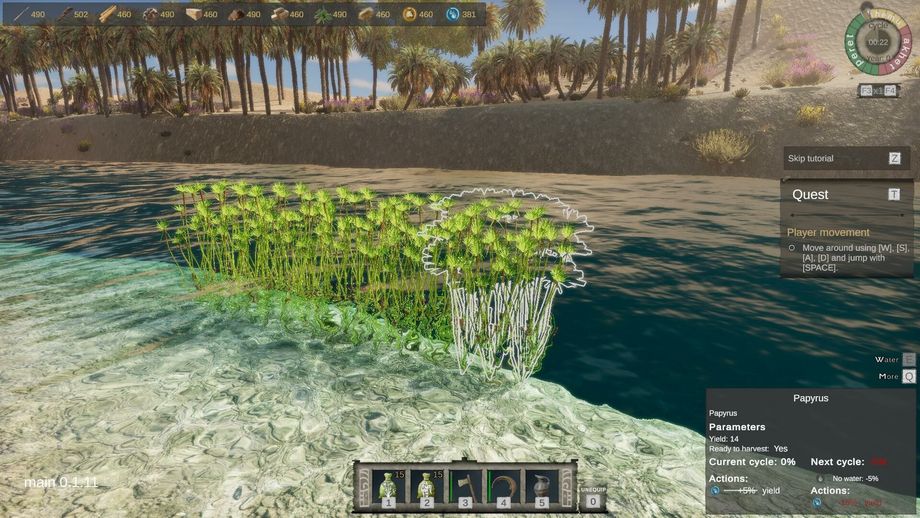
遊戲中的作物種類相當豐富,除了基本的穀物與蔬菜,還包含果樹與只能在水岸種植的特殊植物,例如莎草與甘蔗。果樹需要長時間培育,短期內無法見效,但一旦成熟,便能在多年內持續提供穩定產出,考驗玩家對時間與資源配置的耐心。水岸作物則迫使玩家在農場規劃上更加用心,如何引水、如何配置田地,會直接影響整體效率與發展速度。
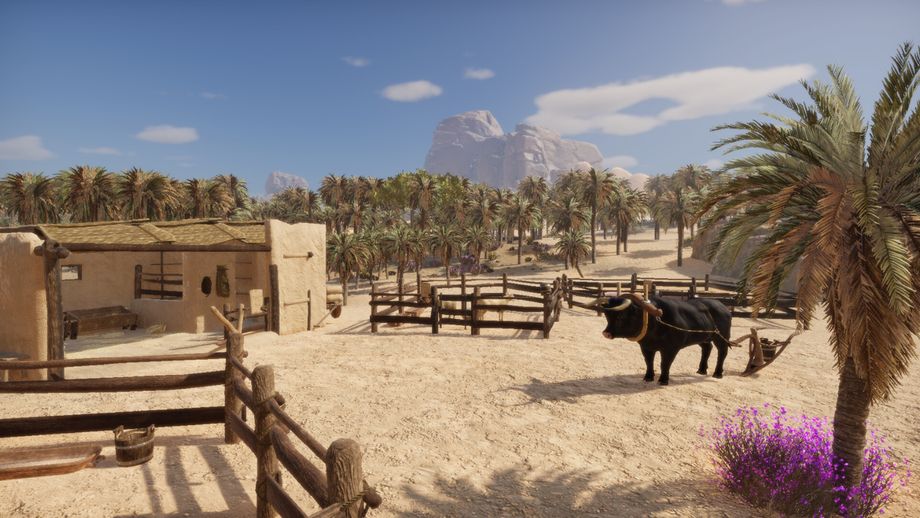
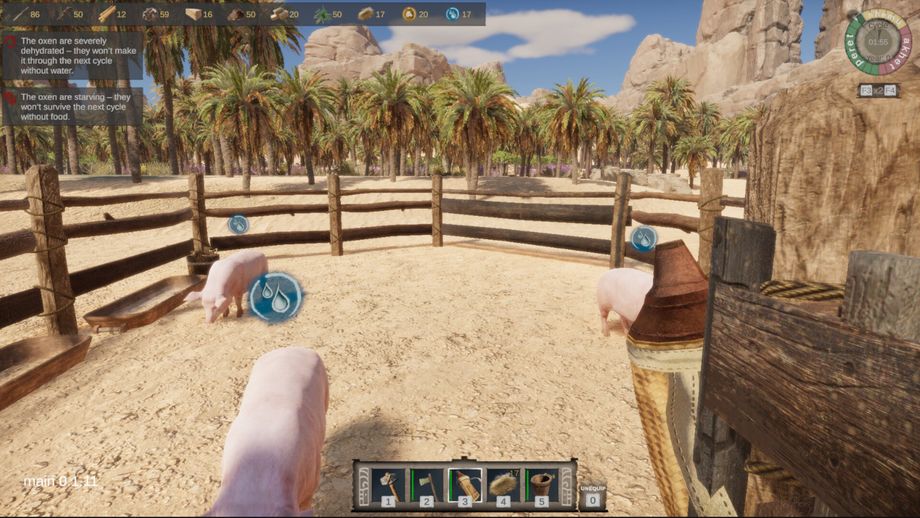
除了農作物,畜牧系統也是重要支柱。飼養牛、羊、豬與雞,取得肉類、奶製品與其他重要資源。其中,耕牛在農業效率上扮演關鍵角色,能大幅提升開墾大面積土地的速度,使農場從小規模自給逐漸邁向量產。這些動物並非單純的數值存在,而是真正融入農場運作流程的一部分。
建築與生產系統則構成遊戲的長期目標。從最初簡陋的穀倉與農舍開始,玩家透過收集木材、石料、黏土等資源,逐步建造工坊、廚房與加工設施,將原始收穫轉化為麵包、啤酒、油脂等高價值商品。藍圖通常需要透過遊商取得,這也讓探索與交易成為發展的一環。隨著建築規模擴大,農場不再只是生產場所,而會逐漸演變成一個完整的聚落。
在經濟與貿易方面,刻意避免現代化的自動交易系統,採用更貼近古代的物物交換方式。必須親自管理盈餘資源,判斷哪些物資適合交易、哪些應該留下來支撐生產鏈,讓經濟發展顯得更具真實感與沉浸感。
整體而言,《古農莊》是節奏緩慢卻極具投入感的農耕模擬遊戲。它不追求華麗刺激的即時回饋,而是透過細膩的操作、明確的因果關係與長期成長的視覺變化,讓玩家真切感受到「親手打造文明」的成就感。對於喜愛寫實經營、古代背景,以及重視操作體驗與時間管理的玩家而言,這無疑是一款值得關注的作品。
Ancient Farm is an immersive farming simulation game set in ancient Egypt, developed by A2 Softworks. The game emphasizes a “from-scratch, hands-on labor” philosophy, delivering an authentic agricultural experience rather than menu-driven management. Players directly control their character and personally cultivate the land along the Nile, gradually building a thriving ancient farm. The game is confirmed to launch on PC (Steam) on January 8, 2026, with versions for PlayStation 5, Xbox Series X|S, and Nintendo Switch 2 planned for later in 2026.
In terms of narrative design, Ancient Farm does not rely on a strong, linear storyline. Instead, it adopts a “life is the story” approach. Players take on the role of an ordinary farmer in ancient Egypt, with no privileged background or inherited wealth. Everything must be earned through patience, effort, and careful decision-making. The world revolves around the Nile, where water access, soil quality, and climate dictate survival and growth. As the farm expands, new workshops, production buildings, and religious structures become available. The construction of temples is not merely a visual milestone, but a symbol of the settlement’s evolution from basic agriculture to the heart of a growing civilization. Through this organic progression, players experience a living portrayal of agricultural development in ancient Egypt.
From a gameplay and control perspective, Ancient Farm places strong emphasis on manual interaction and player involvement. Using a third-person viewpoint, players personally clear land, sow seeds, irrigate fields, and harvest crops. Farming is not a passive process—each crop has a full growth cycle, and watering or fertilizing at the wrong time can result in withered fields and lost effort. This design transforms farming into a thoughtful, strategic activity that rewards observation, planning, and timing rather than routine repetition.
The game features a wide variety of crops, including staple grains and vegetables, long-term fruit trees, and special plants such as papyrus and sugarcane that can only thrive near water. Fruit trees demand patience, offering no immediate reward, but once mature they provide consistent yields year after year. Water-dependent plants challenge players to plan irrigation and land layout carefully, making farm design a meaningful strategic decision rather than a purely aesthetic one.
Animal husbandry plays an equally important role in the farming ecosystem. Players can raise cattle, sheep, pigs, and chickens to obtain food and valuable resources. Oxen, in particular, are essential for improving agricultural efficiency, significantly accelerating the cultivation of large fields. Livestock are deeply integrated into farm operations, serving as functional elements rather than simple numerical bonuses.
The building and production systems form the long-term progression of the game. Starting with basic shelters and granaries, players gather materials such as wood, stone, and clay to construct workshops, kitchens, and processing facilities. Raw harvests can be transformed into higher-value goods like bread, beer, and oils. Blueprints are typically acquired through traveling merchants, encouraging exploration and trade. As construction expands, the farm gradually evolves into a full settlement rather than a mere production site.
Economically, Ancient Farm avoids modern automated trading systems. Instead, it uses a barter-based model more appropriate to the historical setting. Players must actively manage surplus resources, deciding what to trade and what to reserve for production chains. This approach adds realism and reinforces immersion in the ancient world.
Overall, Ancient Farm is a slow-paced yet deeply engaging farming simulation. It does not chase instant gratification, but instead builds satisfaction through detailed mechanics, clear cause-and-effect systems, and visible long-term transformation of the land. For players who enjoy realistic management gameplay, ancient historical settings, and hands-on interaction, Ancient Farm stands out as a title well worth watching.
運費計算方式:
貨款滿1000元運費外加90元
貨款1000以下:買1件運費外加 60元,買2件運費外加 70元,
買3件運費外加 80元 ,買4件運費外加 90元
貨到付款外加30元手續費
外島及大陸地區運費另計
付款方式:
線上刷卡:本站採用Paypal線上刷卡
虛擬帳號匯款:屬於您專屬的虛擬帳戶,方便站長查帳使用,本站強力推薦
實體ATM匯款:請將匯款帳號記錄下來至各大銀行ATM提款機轉帳
超商條碼繳費:請列印本站提供的條碼至四大超商繳費
線上轉帳:透過玉山銀行線上ATM轉帳(此系統只支援IE瀏覽器)
貨到付款:本站採用黑貓宅急便貨到付款
其他注意事項:
如需購買線上點數卡請直接跟站長連絡,本站不提供點數卡的線上付款