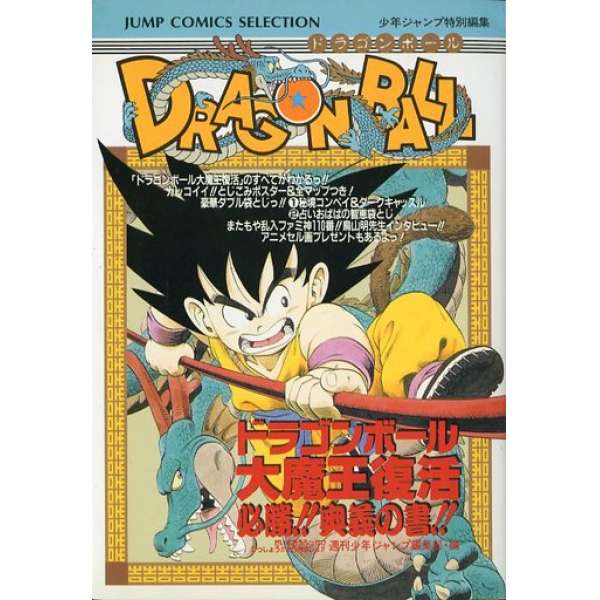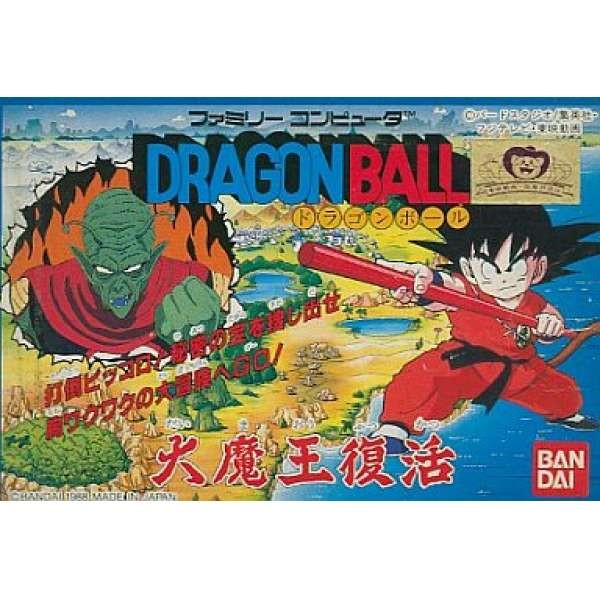
FC 七龍珠2 大魔王復活 必勝攻略
《七龍珠:大魔王復活》於1988年8月12日在紅白機(Famicom)平台推出,是萬代針對《七龍珠》系列開發的第二款遊戲,也是確立該系列作為「卡片戰鬥 RPG」鼻祖的重要里程碑。與前作《神龍之謎》單純的動作過關模式不同,大膽結合文字冒險與卡牌策略,將《七龍珠》的戰鬥轉化為強調數值、策略與隨機性的RPG新體驗,對於當時8位元主機而言是一個非常創新的嘗試。
核心玩法圍繞著卡片戰鬥系統展開。玩家不再直接操作悟空跳躍或揮拳,而是通過螢幕下方隨機出現的五張卡片來決定行動,每張卡片上方的星號代表攻擊力(1 到 7),下方的漢字則代表防禦力。這種設計不僅解決當時動作判定不精確的問題,更與原作中「戰鬥力」的概念完美契合。地圖探索則採用類似大富翁的格子跳躍機制,玩家在格子中可能觸發事件、獲得道具或遭遇敵人,這一機制後來也成為《龍珠 Z》系列卡牌 RPG 的標準模板。
故事改編自《比克大魔王篇》,忠實還原原作中克林慘死的開端,悟空為了報仇並奪回龍珠而踏上追擊大魔王手下的旅程。然而,為了增加遊戲的探索性與長度,開發團隊加入大量原創內容。悟空必須穿越冰天雪地的北方迷宮、充滿機關的孤島,甚至再次面對紅緞帶軍團的殘黨和占卜婆婆的挑戰。玩家最終目標是收集龍珠、飲下超神水,並在凱斯魯金國王的城堡中與恢復青春、實力恐怖的比克大魔王展開決定地球命運的最終對決。
操作系統分為移動、冒險與戰鬥三個階段。移動階段玩家選擇卡片決定步數,格子中可能觸發事件或遭遇敵人;進入特定場景時,遊戲會切換為文字冒險模式,需選擇「調查」、「對話」或「使用道具」來解開謎題推進劇情。戰鬥階段則是遊戲的核心,選擇卡片後,悟空與敵人進行一對一攻防動畫。如果選中帶有「必」字的卡片,便能消耗能量發動龜派氣功或如意棒攻擊。這套系統帶有隨機性,玩家需要在保留高點數卡片應對頭目與使用低點數卡片清理小敵之間做出策略選擇。同時,設計許多即死陷阱,選錯選項可能導致悟空直接陣亡,使遊戲充滿戰戰兢兢的冒險氣氛。
市場評價方面,《大魔王復活》在當時獲得高度關注與良好銷量,被認為是將動漫改編遊戲推向新高度的作品。卡片戰鬥系統在1988年來說極具創新性,遊戲美術風格高度還原鳥山明漫畫筆觸,原創劇情也為老粉絲帶來驚喜。然而,遊戲的難度平衡偏高,卡片的隨機性使得初期可能陷入苦戰,加上部分解謎設計隱晦及隨處可見的即死陷阱,對沒有攻略的玩家相當不友善。
總體而言,《大魔王復活》雖然在系統成熟度上不如後來的《激神弗力札》,但作為龍珠卡片RPG的元祖,它成功開創一種全新玩法,將《七龍珠》從純打鬥遊戲昇華為需要策略與智慧的冒險之旅,對於紅白機時代的玩家而言,這是開啟「戰鬥力數值化」回憶的重要起點。
Dragon Ball: The Great Demon King’s Resurrection, released on August 12, 1988, for the Famicom, is Bandai’s second game in the Dragon Ball series and a landmark title that established the franchise’s identity as a “card-based RPG.” Unlike its predecessor, Dragon Ball: Dragon Power, which relied solely on action-based gameplay, this game boldly combined text-adventure storytelling with strategic card battles. It marked a daring attempt to bring Dragon Ball into a system that emphasized numerical stats, strategy, and chance—an unprecedented innovation for 8-bit consoles at the time.
The core gameplay revolves around a card battle system. Players do not directly control Goku’s jumps or punches; instead, actions are determined by selecting from five randomly drawn cards at the bottom of the screen. Each card’s star rating represents attack power (1 to 7), while the kanji on the card indicates defense. This system not only solved the precision issues common in action games of the era but also perfectly matched the “power level” concept central to the original manga. The game’s world exploration uses a grid-based movement system reminiscent of a board game, where players may trigger events, acquire items, or encounter enemies. This mechanic later became the template for Dragon Ball Z’s card-based RPGs.
The story adapts the dramatic “King Piccolo Saga” from the manga, faithfully portraying Krillin’s tragic death at the start. Goku sets out to avenge him and recover the Dragon Balls, facing the henchmen of King Piccolo along the way. To expand gameplay and exploration, the developers added many original elements. Players guide Goku across icy northern mazes, trap-filled islands, and even face remnants of the Red Ribbon Army and challenges from the fortune-telling old woman. Ultimately, the goal is to collect all Dragon Balls, drink the Super Divine Water, and confront the rejuvenated and overwhelmingly powerful King Piccolo in a climactic battle that will determine the fate of Earth.
Gameplay is divided into three stages: movement, adventure, and battle. During the movement phase, players select cards to determine steps, with events or enemies potentially triggered on certain grid spaces. Entering specific locations switches the game into a text-adventure mode, where players must choose options such as “Investigate,” “Talk,” or “Use Item” to solve puzzles and advance the story. The battle phase is the heart of the game. After selecting a card, Goku engages in one-on-one attack-and-defense animations with enemies. Choosing a card marked with the kanji “必” allows Goku to expend energy to perform a Kamehameha or a staff attack. This system introduces an element of chance, forcing players to strategize when to reserve high-value cards for bosses and use low-value cards for minor enemies. Additionally, the game features numerous instant-death traps, making the adventure tense and risky.
Upon release, The Great Demon King’s Resurrection received significant attention and strong sales, widely regarded as a pioneering anime-to-game adaptation. Its card battle system was considered highly innovative for 1988, and the art style faithfully replicated Akira Toriyama’s manga visuals. The original story elements also delighted longtime fans. However, the game’s difficulty balance leaned toward punishing, with card randomness often making the early game challenging. Some puzzles were obscure, and instant-death traps were frequent, creating a steep learning curve for players without a guide.
Overall, while The Great Demon King’s Resurrection lacks the system refinement of later titles such as Dragon Ball Z: Gekiha! Freeza, it remains the seminal Dragon Ball card-RPG. It transformed the franchise from a simple action game into a strategic adventure that requires thought and adaptation, serving as an essential starting point for 8-bit players and marking the dawn of “numerical power levels” in Dragon Ball gameplay.
運費計算方式:
貨款滿1000元運費外加90元
貨款1000以下:買1件運費外加 60元,買2件運費外加 70元,
買3件運費外加 80元 ,買4件運費外加 90元
貨到付款外加30元手續費
外島及大陸地區運費另計
付款方式:
線上刷卡:本站採用Paypal線上刷卡
虛擬帳號匯款:屬於您專屬的虛擬帳戶,方便站長查帳使用,本站強力推薦
實體ATM匯款:請將匯款帳號記錄下來至各大銀行ATM提款機轉帳
超商條碼繳費:請列印本站提供的條碼至四大超商繳費
線上轉帳:透過玉山銀行線上ATM轉帳(此系統只支援IE瀏覽器)
貨到付款:本站採用黑貓宅急便貨到付款
其他注意事項:
如需購買線上點數卡請直接跟站長連絡,本站不提供點數卡的線上付款
-
FC 七龍珠2 大魔王復活 必勝攻略
- 定 價: 410円
- 售 價: 0.00
- 庫存量: 0 套
- 已賣出: 0 套
 人氣指數: 0 / 6 顆星