避邪除妖(巫術)3:鑽石的騎士
 1990-03-09
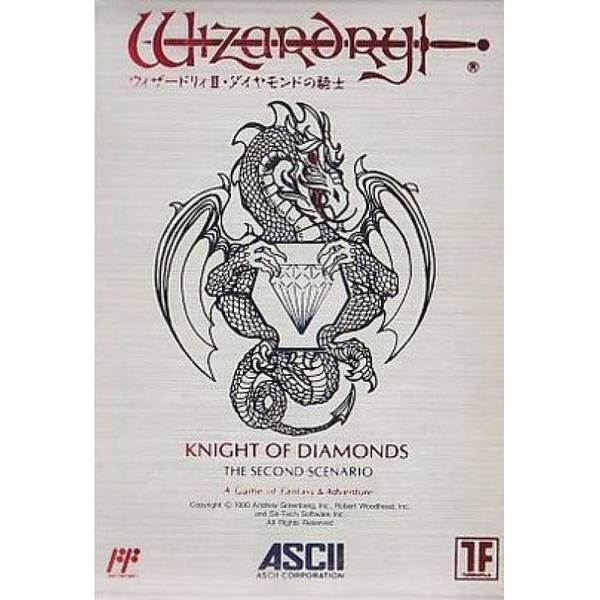
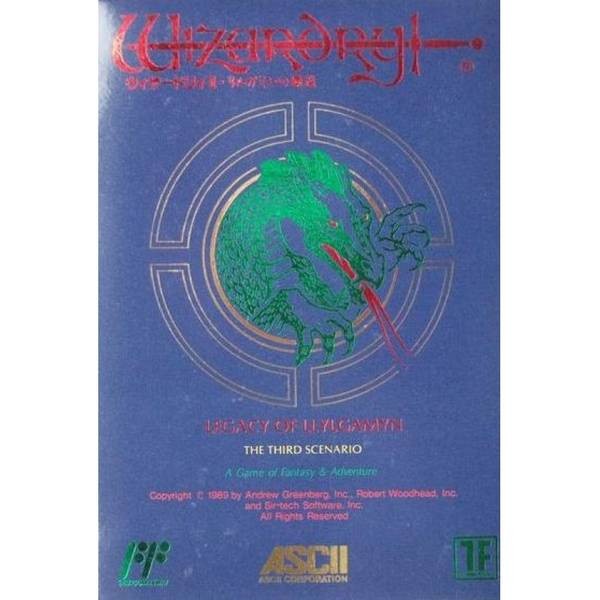
於 1990 年在紅白機(FC)推出的《巫術 3:鑽石的騎士》(Wizardry III: Knight of Diamonds),在系列移植史上出現有趣的「標題錯位」現象——它實際上對應的是 PC 原作的第二部作品。儘管如此,依然被視為 FC《巫術》三部曲的最終章,也是整體完成度與難度達到巔峰的一作。
故事舞台依舊設於利嘉明王國。當王國再度面臨危機之際,傳說中的英雄「鑽石騎士」所遺留下來的五件神聖裝備,成為拯救局勢的唯一希望。玩家所率領的冒險隊伍,必須深入危機四伏的地下迷宮,逐一尋找這些傳說中的遺物。唯有集齊頭盔、鎧甲、護盾、護腕與神劍,才能獲得足以對抗黑暗勢力的力量,並證明自身具備繼承英雄之名的資格。
與前作相比,在系統設計上更強調「裝備導向」與角色能力的精密搭配。迷宮共分為六層,且採取嚴格的進度限制,必須在每一層擊敗守護者並取得對應的裝備,才能進入更深層區域。這種結構讓整體節奏更加緊湊,也大幅提升挑戰的壓力。
這些傳說裝備不僅是劇情關鍵,同時也是性能極為強大的裝備,但並非所有角色都能使用。每件裝備都對角色的屬性有嚴格要求,例如力量或幸運值不足時,即使取得也無法裝備,迫使玩家在隊伍培養與角色配置上進行更深思熟慮的規劃。
同時延續並強化系列的「繼承系統」。可以從前兩作匯入角色資料,雖然等級會被重置,但保留下來的高屬性與稀有稱號,將在遊戲初期提供極大的優勢。這種跨作品累積成果的設計,在當時相當前衛,也讓整個三部曲更具連貫性與成就感。
迷宮設計方面,可說將系列的「惡意」與挑戰性推向極致。大量的傳送陷阱、方向錯亂地板與黑暗區域,使探索過程充滿不確定性。在沒有自動地圖的情況下,玩家往往需要依靠記憶或手繪地圖來確認路線,一步走錯就可能陷入無法脫身的困境。
在視覺與音樂表現上,延續FC 版《巫術》一貫的高水準。由插畫家末彌純所設計的敵人與守護者形象,帶有強烈的宗教與神話氛圍,既神聖又令人畏懼;而羽田健太郎所創作的音樂則更加莊嚴厚重,讓整體冒險彷彿置身於一座充滿試煉與審判的古老聖殿之中。
整體評價方面,被許多玩家視為系列中最嚴苛、同時也是最平衡的一作。它不再允許玩家依靠單純練功來突破困境,而是要求對咒文運用、隊伍編成與資源管理有更深層的理解。每一場戰鬥、每一個決策,都可能影響整個冒險的成敗。
總體而言,《巫術 3:鑽石的騎士》是一場通往傳奇的終極試煉。它不只是對角色能力的考驗,更是對玩家耐性、判斷力與策略思維的全面挑戰。那種在迷宮最深處與強敵對峙、卻因一次失誤而全軍覆沒的挫敗感,以及再次整裝出發的執念,正是《巫術》系列最令人著迷、也最令人難忘的核心魅力。
Released in 1990 for the Famicom (NES), Wizardry III: Knight of Diamonds presents another curious case of “title misalignment” in the series’ porting history—it actually corresponds to the second installment of the original PC lineup. Even so, it is widely regarded as the final chapter of the Famicom Wizardry series trilogy, and the entry where both overall refinement and difficulty reach their peak.
The story once again takes place in the kingdom of Llylgamyn. As the land faces yet another crisis, the only hope lies in the five sacred pieces of equipment left behind by the legendary “Knight of Diamonds.” Leading a party of adventurers, the player must venture deep into a perilous underground labyrinth to recover these relics one by one. Only by assembling the full set—the helm, armor, shield, gauntlets, and holy sword—can the party gain the power needed to confront the encroaching darkness and prove themselves worthy of inheriting the hero’s legacy.
Compared to its predecessors, the game places a stronger emphasis on equipment-driven progression and precise character optimization. The dungeon consists of six tightly structured floors, each governed by strict progression rules. Players must defeat a guardian and obtain the corresponding piece of legendary gear on each level before advancing further. This design creates a more focused pace while significantly increasing the pressure of each encounter.
These legendary items are not only central to the narrative but are also among the most powerful equipment in the game. However, they come with strict requirements—characters must meet specific attribute thresholds, such as strength or luck, in order to equip them. This forces players to plan party development carefully, ensuring that each member is capable of fulfilling a role within the overall strategy.
The game also continues and enhances the series’ inheritance system. Characters can be imported from the previous two titles; although their levels are reset, their high attributes and rare titles are preserved, providing a meaningful advantage in the early stages. This cross-game continuity was highly innovative at the time and strengthens the sense of progression across the trilogy.
In terms of dungeon design, the game pushes the series’ infamous difficulty and “cruelty” to new heights. Players must contend with numerous teleport traps, disorienting tiles, and pitch-dark zones that make navigation extremely uncertain. Without any form of automapping, progress often depends on memory or hand-drawn maps, and a single wrong step can lead to inescapable situations.
Visually and musically, the game maintains the high standards established by the Famicom adaptations. The enemy and guardian designs by Jun Suemi evoke a strong sense of religious and mythological imagery, blending sacred awe with underlying terror. Meanwhile, the music composed by Kentaro Haneda adopts an even more solemn and grand tone, making the entire journey feel like a pilgrimage through an ancient temple filled with trials and judgment.
Overall, the game is often regarded by players as both the most punishing and the most balanced entry in the series. It no longer allows players to rely solely on grinding; instead, it demands a deeper understanding of spell usage, party composition, and resource management. Every battle and every decision carries weight, with the potential to determine the success or failure of the entire expedition.
In the end, Wizardry III: Knight of Diamonds stands as the ultimate trial on the path to legend. It tests not only the strength of the characters, but also the player’s patience, judgment, and strategic thinking. The crushing frustration of losing everything to a single mistake deep within the dungeon—and the determination to rise again and press forward—is precisely what defines the enduring and unforgettable appeal of the Wizardry experience.
運費計算方式:
貨款滿1000元運費外加90元
貨款1000以下:買1件運費外加 60元,買2件運費外加 70元,
買3件運費外加 80元 ,買4件運費外加 90元
貨到付款外加30元手續費
外島及大陸地區運費另計
付款方式:
線上刷卡:本站採用Paypal線上刷卡
虛擬帳號匯款:屬於您專屬的虛擬帳戶,方便站長查帳使用,本站強力推薦
實體ATM匯款:請將匯款帳號記錄下來至各大銀行ATM提款機轉帳
超商條碼繳費:請列印本站提供的條碼至四大超商繳費
線上轉帳:透過玉山銀行線上ATM轉帳(此系統只支援IE瀏覽器)
貨到付款:本站採用黑貓宅急便貨到付款
其他注意事項:
如需購買線上點數卡請直接跟站長連絡,本站不提供點數卡的線上付款
-
避邪除妖(巫術)3:鑽石的騎士
- 定 價: 6,825円
- 售 價: 980.00
- 庫存量: 0 套
- 已賣出: 0 套
人氣指數: 0 / 6 顆星