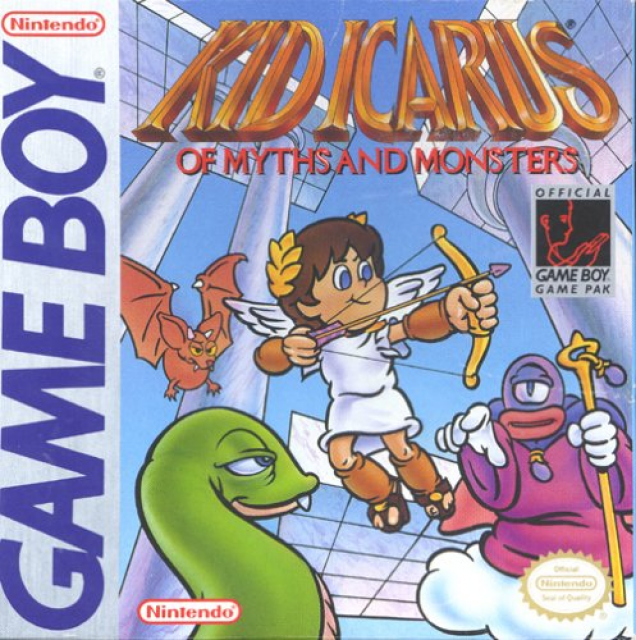
光神話:神話與怪物

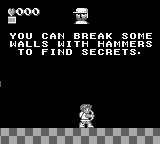
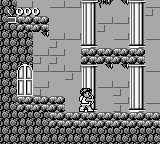
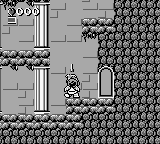
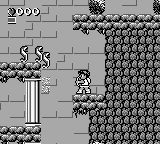
《光神話:神話與怪物》是任天堂於1991年在Game Boy推出的《光神話》系列第二作,也是系列中少見未在日本原生發行的遊戲。在北美和歐洲推出多年後,直到2012年才以Virtual Console的形式在日本初次上市。採用與《銀河戰士II》相同的引擎,使角色與敵人的像素比例更大、細節更明顯,但也因Game Boy螢幕解析度較小,使得畫面可見範圍相較初代更加緊湊。
整體呈現比初代更輕快的節奏,更強調俐落的操作手感與迷宮式探索,同時保持系列特有的希臘神話調性與奇幻喜劇風格,是Game Boy平台上罕見兼具動作挑戰性與冒險探索深度的作品。
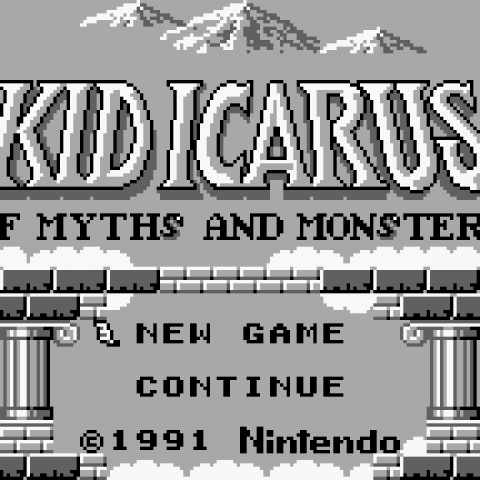
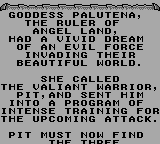
故事的背景位於「天使之國(Angel Land)」,一座由女神帕露提娜(Palutena)創建、萬物和平共存的國度。然而,一場可怕的夢境打破女神的安詳睡眠。她夢見魔界中的惡魔軍團「奧爾克斯(Orcos)」將侵略天使之國,夢境逼真得彷彿預示著即將到來的災難。帕露提娜向占卜者詢問夢境的真實性,卻得到更不祥的答案——天使之國終將遭受惡魔入侵,而奧爾克斯正是引發混亂的元凶。
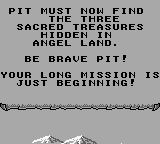
她立即召見自己的親衛隊長「皮特(Pit)」,這位尚年輕的天使戰士同時也是玩家所操控的主角。帕露提娜告訴皮特,天使之國的命運將交託給他,希望他在危機真正降臨前提前完成修行並獲得足以對抗惡魔的力量。唯有取得「三種聖寶(The Three Sacred Treasures)」並學會運用其力量,皮特才有能力與奧爾克斯軍團正面對抗。
為防止聖寶在皮特修行期間被敵人奪走,帕露提娜將三件聖寶封印並分別交由三名要塞守護者看管,使其變成玩家最終必須突破的三大堡壘試練。必須穿越冥府塔、橫越地上世界、攀上天空之塔,並取得力量後返回天宮,準備迎接惡魔軍的真正侵襲。整體劇情雖然簡潔,但以神話寓言式敘述方式呈現,有著Game Boy時代少見的敘事深度,也為皮特的冒險注入成長與命運感。
相較於初代,這次的操作大幅改善,使角色動作更現代化。皮特如今能夠自由向任意方向移動,即使向下墜落也不再像初代般會因脫離畫面而立即死亡。他的跳躍手感變得輕盈許多,只要不斷連按跳躍鍵,他便能拍動翅膀減緩下降速度,使平台跳躍的容錯空間更高、更易掌控。武器仍以弓箭為主,但透過累積生命值,可逐漸啟動三種強化武器:火箭、長射弓與護身水晶。這些武器皆需達到特定生命量才能觸發,若生命值降低便失去效果,在戰鬥中不得不兼顧生存與火力管理。此外,多間訓練房與試煉房以遊戲內小測驗方式決定皮特是否有資格獲得武器,讓戰鬥成長系統帶有明顯的「修行」味道。
關卡中充滿各式功能房間,包括泉水、商店、道具室、醫院、情報中心等,讓探索過程更加豐富。不但可以在戰鬥中取得心(裝備貨幣),也能在要塞中使用「地圖道具」協助探索,形成輕度迷宮風格的關卡設計。整體操作比初代更柔順,動作精確度提升,加上Game Boy化的角色比例,使得遊戲更適合掌機節奏,也更易上手。共有三大主要世界,每個世界包含四道關卡,分別對應修行的三個階段:冥府塔、地上世界、天空之塔。每個世界的最終關皆是大型要塞,並由守護者看守聖寶。這些要塞的進行方式類似迷宮,必須利用地圖、火把、鉛筆與檢查表等專屬道具探索,逐步找出Boss的位置。
關卡設計比初代更加寬鬆,少了不必要的懲罰,並加入許多可重複挑戰的門房系統,使人更願意探索地圖深處。而在後期關卡,難度會逐漸攀升,敵人攻擊力提高、地形更加複雜,加上要塞迷宮常需要仔細記路,整體挑戰性依舊維持任天堂早期動作遊戲的高標準。雖然Game Boy有硬體上的限制,但畫面展現比初代更細緻的精靈動畫。角色與敵人的像素更大、更具辨識度,場景層次與陰影表現也比初代更佳,使天使之國、冥府與天空等背景呈現更明確的氛圍對比。音樂部分延續系列明亮、奇幻又略帶緊張感的旋律,雖不像主機平台版本那般華麗,但仍在掌機上展現相當令人難忘的旋律特色。
當年在北美推出後獲得普遍良好評價,評論普遍認為其操作手感較初代大幅改善,迷宮式探索比初代更合理,也更適合掌機玩家。雖然遊戲規模不大,但整體完整度高,動作、探索與成長系統結合得相當穩健。由於未在日本實體發行,加上系列本身在西方市場並非頂尖大作,使得遊戲在全球知名度相對有限,但仍被視為Game Boy上品質優異的動作冒險之一。在後來推出的《新·光神話 帕露提娜之鏡》(Kid Icarus: Uprising , 2012)引起新一波關注後,本作也因Virtual Console再版而重新被玩家認識,被許多人視為系列中「最流暢、最平衡、最容易上手的早期作品」。整體來說,《光神話:神話與怪物》在Game Boy平台上展現超越初代的成熟設計,將動作、探索與神話奇幻結合得相當成功,是一部系列粉絲口碑極佳、值得重訪的經典續作。
Kid Icarus: Of Myths and Monsters is the second installment in the Kid Icarus series, released by Nintendo for the Game Boy in 1991. It is also one of the rare titles in the series that was not originally released in Japan. Although it launched in North America and Europe, the game did not reach the Japanese market until 2012, when it was finally made available via the Virtual Console. Built on the same engine used in Metroid II, the game features larger and more detailed sprites for characters and enemies, though the Game Boy’s limited resolution results in a tighter visible play area compared to the original game.
The overall presentation is livelier than the first game, with a greater emphasis on smooth, responsive controls and maze-like exploration, while still retaining the Greek-mythology flavor and whimsical fantasy tone characteristic of the series. It stands out as one of the few Game Boy titles that successfully balances action challenge with meaningful adventure exploration.
The story is set in Angel Land, a peaceful kingdom created and watched over by the goddess Palutena. However, her tranquility is shattered by a terrifying dream foretelling an invasion by a demonic army known as the Orcos. Disturbed by its realism, Palutena consults a fortune teller, only to receive an even more dire prophecy: the attack is inevitable, and Orcos is indeed the source of the impending disaster.
Palutena immediately summons Pit, her young captain of the Icarus Army and the protagonist controlled by the player. She explains that the fate of Angel Land now rests on his shoulders and urges him to complete his training before the true crisis arrives. Only by obtaining the Three Sacred Treasures and mastering their power will Pit be able to confront the Orcos forces directly.
To prevent the treasures from falling into enemy hands during Pit’s training, Palutena seals each one and entrusts them to three Fortress Guardians. These fortresses become the ultimate trials the player must overcome. Pit must ascend the Underworld Tower, traverse the Overworld, and climb the Skyworld Tower. Once fully trained, he must return to the Sky Palace to prepare for the demonic invasion.
Although the story is simple, it is presented in a myth-like narrative style, giving it a level of depth unusual for Game Boy titles and imbuing Pit’s journey with a strong sense of growth and destiny.
Compared to the original game, the controls have been greatly improved, giving Pit far more modern movement options. He can now move freely in all directions, and falling downward no longer results in instant death upon leaving the screen. His jumps are lighter and more adjustable; repeatedly tapping the jump button allows him to flap his wings and slow his descent, giving platforming significantly more flexibility and control.
While the bow remains Pit’s main weapon, he can unlock three enhanced weapon upgrades by increasing his maximum health: the Fire Arrow, Long Bow, and Protective Crystals. Each requires a specific health threshold to activate and will deactivate if Pit’s health falls, forcing players to balance survival and offensive capability. Various training and trial rooms test Pit’s abilities, determining whether he is worthy of obtaining these upgrades, giving the progression system a distinct “training” theme.
Stages contain numerous functional rooms—springs, shops, item chambers, hospitals, and information centers—adding depth to exploration. Hearts obtained in battle serve as currency, and fortress-exclusive mapping items help navigate labyrinth-style levels.
Overall, the controls are smoother and more precise than in the first game, and the Game Boy–scaled character proportions make the gameplay feel more natural on a handheld device. The game features three major worlds, each with four stages corresponding to the three phases of Pit’s training: the Underworld Tower, the Overworld, and the Skyworld Tower. Each world concludes with a large fortress guarded by a boss who protects one of the Sacred Treasures. These fortresses function like mazes and require tools such as maps, torches, pencils, and check sheets to navigate in order to locate the boss.
Level design is more forgiving than in the original game, with fewer harsh penalties and the addition of many revisitable room types that encourage deeper exploration. Later stages gradually increase in difficulty, with stronger enemies and more complex terrain, while fortress mazes often require careful memorization. The overall challenge still reflects Nintendo’s classic early-era action standards.
Despite the Game Boy’s hardware limitations, the game features more detailed sprite animation than the original. Characters and enemies are larger and easier to distinguish, and environmental shading gives stronger atmosphere across Angel Land, the Underworld, and Skyworld. The music preserves the series’ bright, whimsical, and slightly tense tone, offering memorable melodies even if they are less elaborate than those on home consoles.
Upon release in North America, the game received generally positive reviews. Critics praised the vastly improved controls and more reasonable maze-style exploration, noting that the game felt well-suited to handheld play. While not a large-scale title, its action, exploration, and progression systems are tightly integrated and polished. Because it never had a physical release in Japan—and because the series was never a major hit in the West—the game remained somewhat obscure. Even so, it is widely regarded as one of the Game Boy’s stronger action-adventure offerings.
After the release of Kid Icarus: Uprising in 2012 revived interest in the series, the Virtual Console re-release allowed new players to discover Of Myths and Monsters. Many now consider it the most balanced, smoothest, and most accessible of the early Kid Icarus games.
Overall, Kid Icarus: Of Myths and Monsters showcases a level of refinement surpassing the original, combining action, exploration, and myth-fantasy elements with notable success. It remains a highly regarded classic among fans and a standout title on the Game Boy platform.
運費計算方式:
貨款滿1000元運費外加90元
貨款1000以下:買1件運費外加 60元,買2件運費外加 70元,
買3件運費外加 80元 ,買4件運費外加 90元
貨到付款外加30元手續費
外島及大陸地區運費另計
付款方式:
線上刷卡:本站採用Paypal線上刷卡
虛擬帳號匯款:屬於您專屬的虛擬帳戶,方便站長查帳使用,本站強力推薦
實體ATM匯款:請將匯款帳號記錄下來至各大銀行ATM提款機轉帳
超商條碼繳費:請列印本站提供的條碼至四大超商繳費
線上轉帳:透過玉山銀行線上ATM轉帳(此系統只支援IE瀏覽器)
貨到付款:本站採用黑貓宅急便貨到付款
其他注意事項:
如需購買線上點數卡請直接跟站長連絡,本站不提供點數卡的線上付款