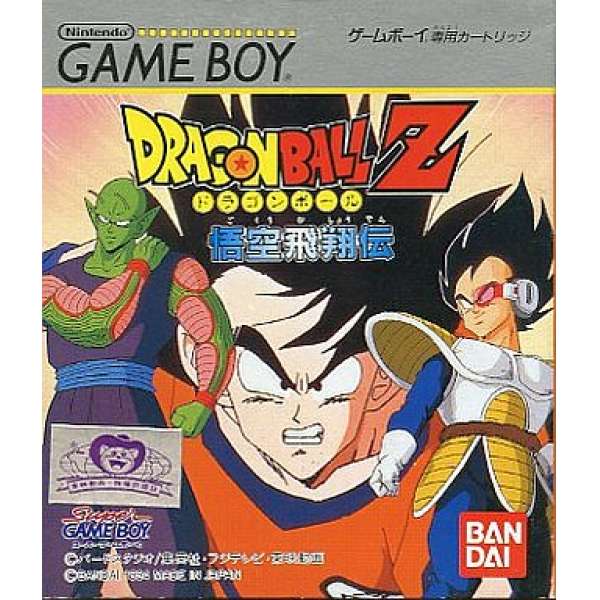
讀卡機系列:七龍珠Z-天下武道會
 1992-12-29
於1992年12月29日推出的《七龍珠 Z:激鬥天下第一武道會》(Datach: Dragon Ball Z - Gekitou Tenkaichi Budou Kai),是紅白機末期最具話題性與實驗精神的作品之一。這款遊戲由萬代推出,並非一般可以直接插入主機遊玩的卡帶,而是必須搭配專用外設Datach Joint System才能啟動。這種結合實體卡片與電子遊戲的設計,在當時的8位元時代顯得極為前衛,也讓本作成為家用主機與卡片娛樂融合的先驅。
在硬體與設計理念上,可說是承襲當時日本盛行的「Carddass」文化,將街機與販賣機中的卡片收集樂趣帶入家庭娛樂。玩家在購買遊戲時會獲得一組實體條碼卡片,遊玩前需先將遊戲卡帶插入讀卡機,再將整個裝置連接至主機,接著透過實際「刷卡」的方式讀取角色資料。這種將現實物件轉化為遊戲數據的互動方式,不僅大幅提升了參與感,也為日後大型機台卡片對戰遊戲奠定概念基礎。
在劇情表現上,並未走傳統角色扮演遊戲那種長篇敘事路線,而是將重心完全放在「天下第一武道會」的對戰舞台。背景設定橫跨《七龍珠 Z》的賽亞人篇至人造人篇之間,玩家可以透過不同卡片召喚出包括孫悟空、達爾、比克,甚至弗力札等經典角色。採用類似錦標賽的進程,讓玩家以自己收集的卡片組成隊伍,逐步擊敗對手並邁向冠軍。由於不受原作時間線限制,許多原本不可能出現的對戰組合也得以實現,為玩家帶來一種跨越時空的「夢幻對決」體驗。
核心玩法分為準備與實戰兩個層面。在戰鬥開始之前,必須親手將條碼卡片滑過讀卡機,系統會依據卡片內容解析出角色的能力值,包括體力、攻擊、防禦與必殺技等級。卡片的稀有度直接影響角色強度,使得「收集」本身就成為遊戲體驗的重要一環。進入戰鬥後,畫面轉為側視角格鬥形式,玩家可以操控角色移動、跳躍與飛行,並透過按鍵組合發動近戰攻擊或氣功波。當能量累積至一定程度時,還能觸發華麗的必殺技演出,例如悟空的龜派氣功或達爾的強力光束攻擊。儘管受限於硬體性能,動作表現略顯生硬,但整體節奏仍充滿張力,特別是在卡片數值加持下的戰鬥結果,更讓玩家產生強烈的投入感。
從市場評價來看,這是一款「創意遠超時代,但門檻同樣高昂」的代表作品。它最大的魅力來自於將卡片收集、交換與研究條碼強度的樂趣融入遊戲本體,讓玩家之間的互動延伸到現實世界。然而,這樣的設計也帶來明顯的限制。除了需要額外購買讀卡機之外,卡片本身的保存狀況也會直接影響遊戲體驗,一旦條碼磨損或遺失,對應角色便無法使用。此外,若缺乏足夠的卡片收藏,遊戲內可使用的角色選擇也相對有限,進一步提高了入門門檻。
整體而言,《激鬥天下第一武道會》不僅是一款遊戲,更像是1990年代初期對未來娛樂形式的一次大膽預測。它成功地將實體收藏與數位互動結合,雖然隨著Datach Joint System的退場而逐漸淡出主流視野,但這種「刷卡決定戰力」的概念,早已在後來的卡片對戰機台與數位收藏遊戲中開花結果,也讓這部作品在老玩家心中始終保有獨特而難以取代的地位。
Released on December 29, 1992, Dragon Ball Z: Gekitou Tenkaichi Budokai stands as one of the most experimental and talked-about titles of the late Famicom era. Developed and published by Bandai, this was not a typical cartridge-based game. Instead, it required a dedicated peripheral, the Datach Joint System, to function. This unique combination of physical cards and digital gameplay made it a remarkably forward-thinking concept for the 8-bit generation, effectively pioneering the fusion of collectible media and video games.
From a hardware and design perspective, the game drew heavy inspiration from Japan’s popular “Carddass” culture of the time, bringing the excitement of vending machine card collecting into the home. Upon purchase, players received a set of physical barcode cards. To play, the cartridge had to be inserted into the Datach reader, which was then connected to the console. Players would swipe real cards through the scanner to load character data into the game. This tangible interaction added a new layer of immersion and laid the conceptual groundwork for future arcade-based card battle systems.
In terms of narrative, the game does not follow the traditional structure of a story-driven RPG. Instead, it focuses entirely on the Tenkaichi Budokai tournament format. The setting spans from the Saiyan Saga to the Android Saga of Dragon Ball Z, allowing players to summon iconic characters such as Goku, Vegeta, Piccolo, and even Frieza through their cards. The game progresses in a tournament-style format, where players build their roster using collected cards and battle their way to the championship. Because it is not bound by strict timeline continuity, it enables dream matchups that would never occur in the original story, offering a unique “what-if” experience.
Gameplay is divided into preparation and real-time combat. Before each match, players physically swipe barcode cards through the reader, which determines each character’s stats, including health, attack, defense, and special move power. The rarity of the card directly influences performance, making collection a core part of the experience. Once in battle, the game shifts to a side-scrolling fighting perspective. Players control movement, jumping, and flight, while executing melee attacks and energy blasts through button inputs. When the energy gauge is filled, powerful special moves can be unleashed, such as Goku’s Kamehameha or Vegeta’s signature energy attacks. Although the animations are somewhat stiff due to hardware limitations, the battles remain engaging, especially with the added impact of card-based stat differences.
Critically, the game is remembered as a title where groundbreaking creativity coexisted with significant limitations. Its greatest strength lies in how it fulfilled the joy of collecting, trading, and experimenting with different card combinations, extending gameplay beyond the screen into real-world interaction. However, this innovation came at a cost. Players needed to purchase not only the game but also the Datach device, and damaged or lost cards could render characters unusable. Additionally, those without a substantial card collection had limited in-game options, which restricted accessibility.
Overall, Gekitou Tenkaichi Budokai represents an ambitious early vision of multimedia integration in gaming. While the Datach Joint System itself eventually faded into obscurity, the idea of “scanning cards to gain power” lived on, influencing countless arcade and digital card-based games that followed. For many longtime players, it remains a fascinating and irreplaceable piece of gaming history.
運費計算方式:
貨款滿1000元運費外加90元
貨款1000以下:買1件運費外加 60元,買2件運費外加 70元,
買3件運費外加 80元 ,買4件運費外加 90元
貨到付款外加30元手續費
外島及大陸地區運費另計
付款方式:
線上刷卡:本站採用Paypal線上刷卡
虛擬帳號匯款:屬於您專屬的虛擬帳戶,方便站長查帳使用,本站強力推薦
實體ATM匯款:請將匯款帳號記錄下來至各大銀行ATM提款機轉帳
超商條碼繳費:請列印本站提供的條碼至四大超商繳費
線上轉帳:透過玉山銀行線上ATM轉帳(此系統只支援IE瀏覽器)
貨到付款:本站採用黑貓宅急便貨到付款
其他注意事項:
如需購買線上點數卡請直接跟站長連絡,本站不提供點數卡的線上付款
-
讀卡機系列:七龍珠Z-天下武道會
- 定 價: 8,190円
- 售 價: 0.00
- 庫存量: 0 套
- 已賣出: 0 套
人氣指數: 0.8 / 6 顆星