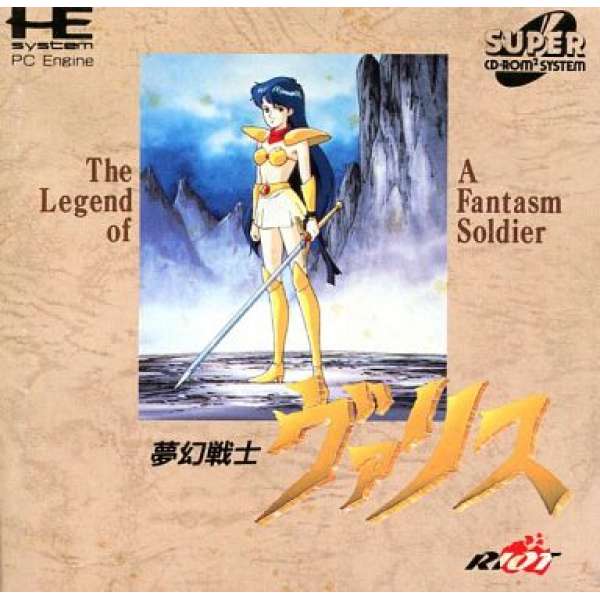
夢幻戰士
 1987-08-21
於 1987 年推出的紅白機(FC)版《夢幻戰士》(Valis),是系列首次登上家用主機的重要作品。雖然原作誕生於日本 PC-88 平台,但由德間書店與日本通訊網絡合作推出的 FC 版本,在系統與遊玩方式上做出相當激進的改動,也因此成為系列中最具爭議的一作。
與後來 Mega Drive 或 PC Engine 上那種直覺流暢的橫向過關形式不同,FC 版《夢幻戰士》更偏向一款融合迷宮探索與動作射擊的作品。整體結構類似早期的探索型動作遊戲,甚至帶有日後所謂「Metroidvania」的雛形,但在當時卻顯得過於前衛且不夠親民。
故事方面,主角麻生優子原本只是一名普通的女高中生,卻在某個雨天被召喚至異世界「幻夢界」。在那裡,她獲得象徵力量的瓦利斯之劍,並肩負起對抗魔王羅格斯的使命。雖然 FC 版的敘事較為簡略,主要透過關卡之間的文字交代劇情,但仍保留優子與好友之間帶有宿命意味的衝突,為整體故事增添一絲悲劇色彩。
最令人印象深刻的,是其極具壓力的迷宮式關卡設計。遊戲不再只是單純向右推進,而是由多個彼此相連的區域構成,需要在龐大且重複感頗高的地圖中不斷探索,尋找通往 Boss 的正確路徑。由於缺乏地圖系統與明確提示,迷路幾乎成為遊戲的日常,這也讓不少玩家在過程中感到挫折甚至崩潰。
在成長系統上,優子的生命值與魔法值可以透過擊敗敵人逐步提升,關卡中也隱藏著各種不同類型的魔法彈,例如三向擴散、追蹤攻擊或高威力雷射等,可以依照情況自由切換,增加戰鬥策略性。同時,隨著遊戲進行,角色的裝甲外觀也會產生變化,在 8-bit 時代算是相當有誠意的演出。
操作手感方面,FC 版則顯得略為僵硬。優子的跳躍雖然高度充足且具備一定空中控制能力,但攻擊距離偏短,加上敵人刷新頻率高、碰撞傷害大,使得玩家在狹窄地形中容易因擊退效果而掉落致死。這種高壓設計讓遊戲整體難度顯得異常嚴苛,也進一步強化其「硬核」印象。
在視覺與音樂表現上,依然展現出不俗水準。角色點陣圖在當時算是相當精緻,尤其是主角優子的造型,成功吸引了早期「美少女角色」取向的玩家族群。而音樂則由Wolf Team操刀,旋律帶有空靈與史詩感,為這段異世界冒險增添不少氛圍。
整體而言,FC 版《夢幻戰士》是一款極度考驗耐性與方向感的作品。它不像後來系列作品那樣強調流暢與爽快,而是將重心放在探索與生存的壓力之中。對某些玩家來說,這樣的設計或許過於嚴苛,但也正因如此,它成為了一段難以忘懷的獨特體驗。
那種在廣大迷宮中反覆徘徊、試圖找出正確道路的焦躁感,以及在即將成功時卻因一次失誤而前功盡棄的挫敗,正是這款作品最鮮明、也最深刻的記憶。
Released in 1987 for the Famicom (FC), Valis: The Fantasm Soldier marked the series’ first appearance on a home console. Although the original game debuted on Japan’s PC-88 platform, this FC adaptation—developed in collaboration between Tokuma Shoten and Nippon Telenet—introduced drastic changes to both its system and gameplay. As a result, it became one of the most controversial entries in the series.
Unlike the later Mega Drive and PC Engine versions, which adopted a more intuitive and fluid side-scrolling action format, the Famicom version leans heavily toward a hybrid of maze exploration and action shooting. Its overall structure resembles early exploratory action games, even hinting at what would later be known as the “Metroidvania” style. However, at the time, its design felt overly ambitious and not particularly user-friendly.
The story follows Yuko Asou, an ordinary high school girl who is suddenly transported to the fantasy realm of Vecanti on a rainy day. There, she obtains the legendary Valis Sword and is tasked with defeating the dark lord Rogles. While the FC version presents its narrative in a relatively simple manner—mainly through text between stages—it still preserves the fateful conflict between Yuko and those close to her, adding a subtle sense of tragedy to the overall plot.
One of the most memorable aspects of the game is its highly oppressive maze-like level design. Progression is no longer a straightforward journey to the right; instead, players must navigate interconnected areas within a large and often repetitive map, searching for the correct path to the boss. With no map system or clear guidance, getting lost becomes a constant part of the experience, leading many players to frustration and even despair.
In terms of progression, Yuko’s health and magic points gradually increase by defeating enemies. Various types of magical projectiles are hidden throughout the stages, including spread shots, homing attacks, and high-powered lasers, which can be switched freely depending on the situation, adding a layer of strategy to combat. As the game progresses, Yuko’s armor also changes in appearance, a detail that stands out as a commendable touch for an 8-bit title.
However, the controls feel somewhat stiff. While Yuko’s jumps offer decent height and a degree of mid-air control, her attack range is short. Combined with the high enemy spawn rate and heavy contact damage, players can easily be knocked back into hazards, especially in narrow areas. This high-pressure design makes the game notably difficult, reinforcing its reputation as a “hardcore” experience.
Despite these challenges, the game delivers solid audiovisual presentation. Character sprites are impressively detailed for the time, particularly Yuko’s design, which appealed to early fans of “bishoujo” (beautiful girl) characters. The music, composed by Wolf Team, features an ethereal yet epic tone that enhances the atmosphere of this otherworldly adventure.
Overall, the Famicom version of Valis is a game that demands patience and a strong sense of direction. Rather than emphasizing smoothness and exhilaration like its successors, it focuses on the tension of exploration and survival. For some players, this design may feel excessively punishing, but it is precisely this intensity that makes the experience so unforgettable.
The constant wandering through vast labyrinths, the anxiety of trying to find the correct path, and the crushing frustration of losing everything due to a single mistake just before success—these elements define the game’s most vivid and lasting memories.
運費計算方式:
貨款滿1000元運費外加90元
貨款1000以下:買1件運費外加 60元,買2件運費外加 70元,
買3件運費外加 80元 ,買4件運費外加 90元
貨到付款外加30元手續費
外島及大陸地區運費另計
付款方式:
線上刷卡:本站採用Paypal線上刷卡
虛擬帳號匯款:屬於您專屬的虛擬帳戶,方便站長查帳使用,本站強力推薦
實體ATM匯款:請將匯款帳號記錄下來至各大銀行ATM提款機轉帳
超商條碼繳費:請列印本站提供的條碼至四大超商繳費
線上轉帳:透過玉山銀行線上ATM轉帳(此系統只支援IE瀏覽器)
貨到付款:本站採用黑貓宅急便貨到付款
其他注意事項:
如需購買線上點數卡請直接跟站長連絡,本站不提供點數卡的線上付款