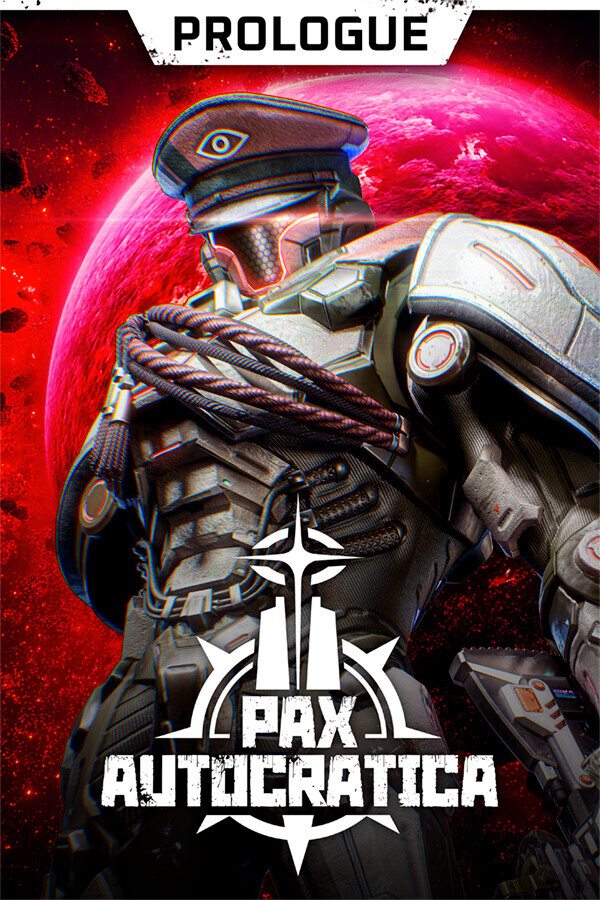
暗星鐵律
《暗星鐵律》(Pax Autocratica)是強烈帶有黑色諷刺氣質的科幻反烏托邦遊戲,核心概念圍繞「權力如何被建立、如何被合理化,又如何逐步吞噬一切」。由Multiverse開發並發行,預計於2026年2月3日推出。將殖民地經營模擬、政治治理系統與類Roguelite的第一人稱射擊戰鬥緊密融合,讓玩家同時成為國家最高統治者與親臨前線的戰爭指揮官。值得一提的是,開發團隊承諾將遊戲全部淨收入的 1% 捐贈給挪威難民理事會,用於援助衝突地區的平民,這也為作品的反戰與權力反思主題增添現實層面的重量。
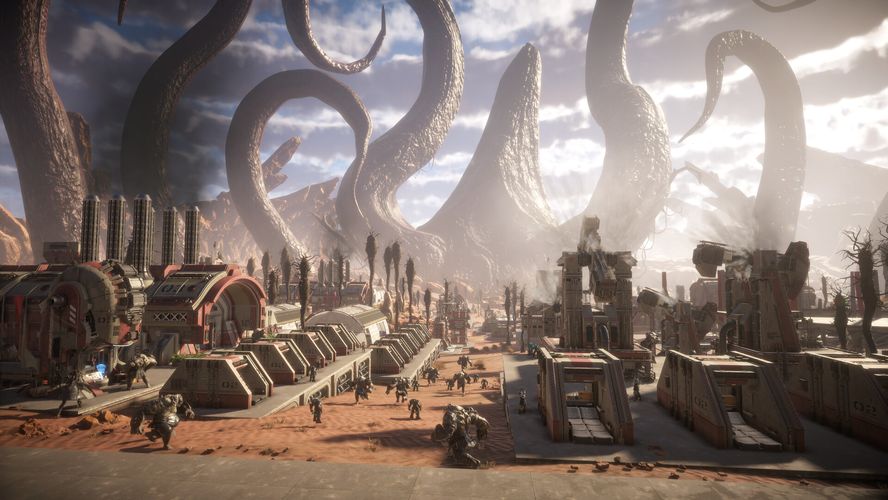
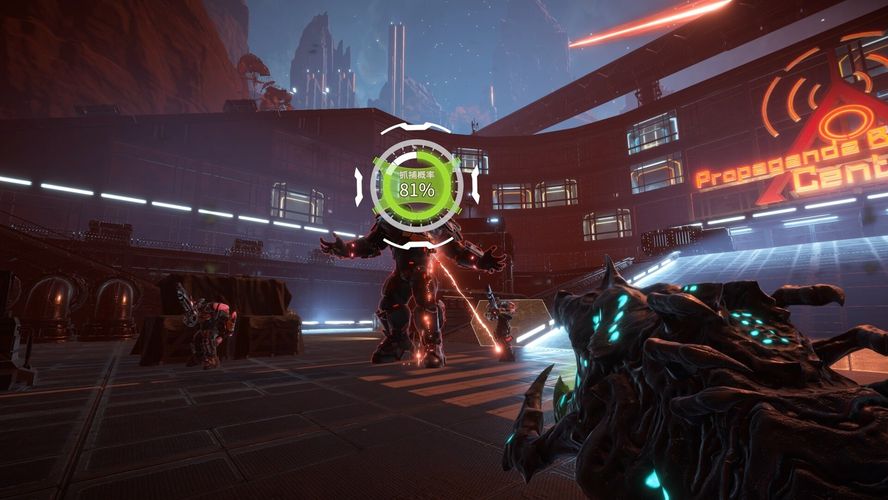
在劇情與世界觀上,設定於飽受戰火摧殘的開普勒-452星系。人類文明正面臨一個近乎無解的威脅——名為「厄爾斯蘭(Urslan)」的外星集體意識種族。這個族群會同化每一名戰死士兵與俘虜,將其吸收進集體心智之中,使敵人每一次犧牲都反過來壯大對方。面對這樣的存在,人類已無退路,而你,作為被賦予最高權力的領袖,被委以重任:建立穩固的殖民地與軍事基地,整合分散的人類勢力,不惜一切代價殲滅厄爾斯蘭。
然而,遊戲並未將敘事簡化為單純的「人類對抗外星敵人」。真正的戲劇張力來自於你如何統治自己的人民。你頒布的每一道法令,都會直接影響公民的恐懼、幸福、飢餓與忠誠,進而塑造整個社會的走向。宵禁、配給制度、思想教化中心、公開集會或血腥鎮壓,可能帶來短暫的穩定,也可能在暗中累積不滿與叛亂的火種。相對地,也可以選擇較為仁慈的統治方式,提供醫療照護、改善居住條件、以繁榮與安全感換取支持。遊戲並不急於評斷對錯,而是讓玩家親眼見證每一次決策所引發的連鎖反應,體會權力在實踐中如何一步步改變社會,也改變統治者自身。
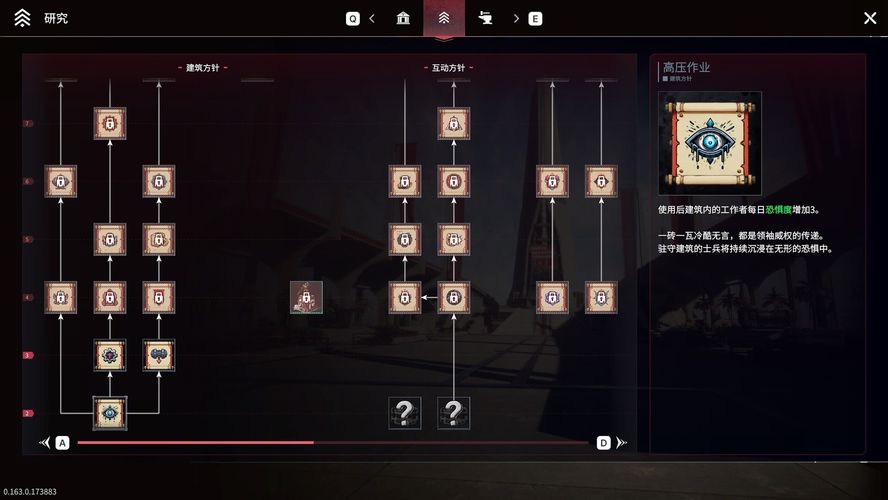
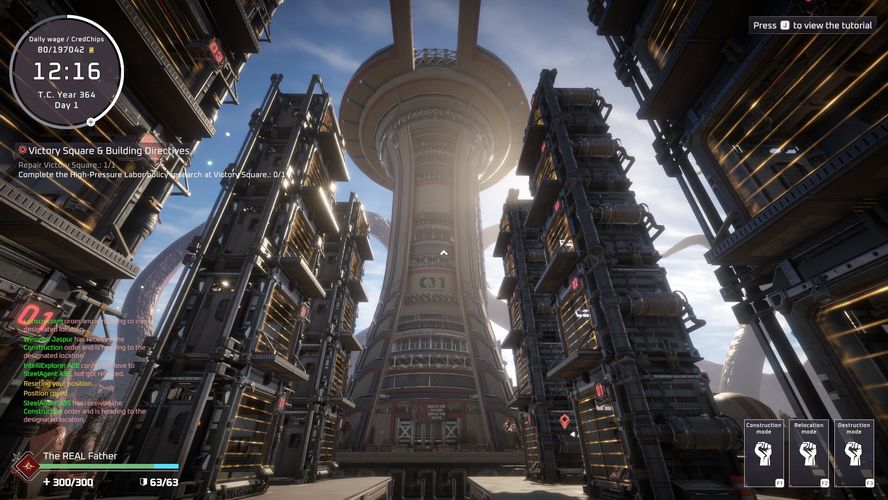
在操作與玩法層面,採取雙核心循環設計。其一是基地與社會經營,需要從最初寥寥無幾的倖存者開始,逐步擴張殖民地,將零散的避難設施升級為高度工業化、自給自足的龐大國家機器。必須規劃建築配置、研究新科技與政策,設計生產流水線,並透過自動化與監控系統讓整個社會以冷酷而高效的節奏運轉。公民不只是數值單位,而是被政策與環境塑造的群體,他們的工作效率、服從程度與反抗風險,會隨玩家的治理方式而產生巨大差異。
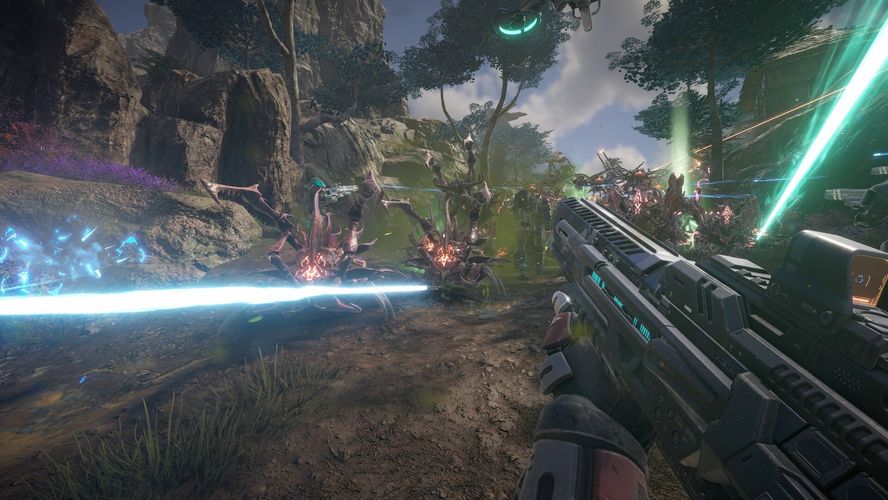
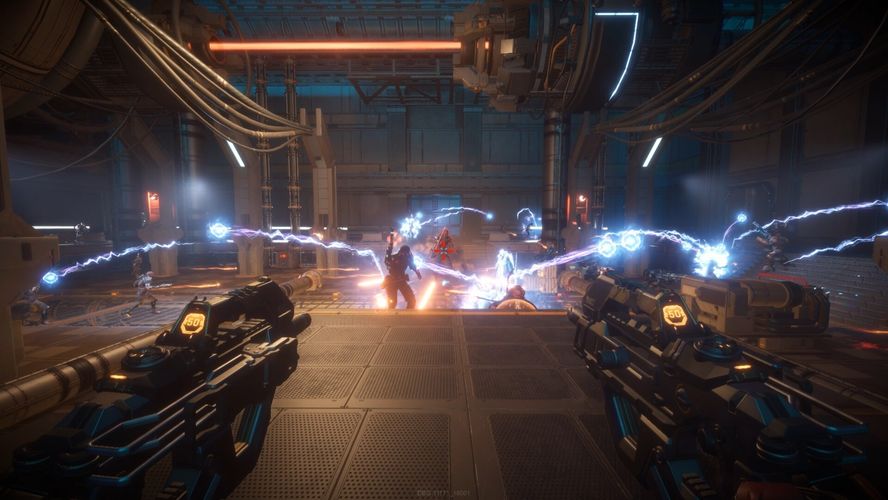
另一個核心則是類Roguelite的第一人稱射擊戰鬥。與傳統「坐鎮後方」的經營遊戲不同,將親自率軍出征,投入從小規模交火到包含步兵、坦克與機甲的大型機械化戰場。每一場戰役都以隨機加成與構築為基礎,在數百種能力與強化中做出選擇,打造屬於當前戰局的戰鬥風格。戰鬥的成果會直接回饋到基地發展中,帶回新的資源、新兵力與經驗值,用以解鎖更高階的職業技能與政策選項,形成經營與戰爭彼此推動的閉環。由於Roguelite結構的存在,每一次遠征的節奏、風險與成長路線都不盡相同,讓戰爭始終保持高度變化性。
整體操作體驗上,刻意避免過於複雜的門檻。射擊手感偏向直覺與流暢,讓不熟悉FPS的玩家也能快速進入狀態;而殖民地模擬部分則在關鍵系統上提供足夠深度,但不以繁瑣操作壓垮玩家。真正的難度不在於手速,而在於抉擇本身——如何在效率、穩定、人道與恐懼統治之間取得平衡。
從市場評價與玩家期待來看,在公開後迅速吸引喜愛策略、經營與敘事深度的核心玩家關注。殖民模擬與 FPS 的結合並非首見,但能將政治治理、社會情緒與第一人稱戰鬥如此緊密串聯的作品仍相當少見,尤其再加上明確的反烏托邦諷刺風格,使其在同類型遊戲中具有高度辨識度。許多玩家對於「親自下場打仗的獨裁者/改革者」這一定位感到新鮮,也看好其Roguelite戰鬥與長線經營交織出的重玩價值。
另一方面,也有較為理性的觀望聲音,關注遊戲是否能在正式發售時兼顧系統穩定性與後期平衡。開發團隊對此態度相當明確,強調與社群的高頻互動,並承諾在更新出現問題時於24至48小時內修復,將「國家保證」作為對玩家的信任承諾。這種高度依賴社群回饋的開發方式,讓本作在期待之外,也帶著一種持續演化的開放性。
總體而言,《暗星鐵律》不是單純讓玩家「當好人或壞人」的權力幻想,而是一場關於統治本質的實驗。在制定法律、分配資源、發動戰爭的同時,直視權力如何塑造社會,也如何反過來塑造自己。當人民以敬畏或恐懼的目光仰望你時,這個政權究竟是人類最後的希望,還是另一個披著秩序外衣的深淵,答案將完全取決於你的選擇。
Pax Autocratica is a sci-fi dystopian game steeped in sharp black satire, built around a central question: how power is created, how it is justified, and how it ultimately consumes everything. Developed and published by Multiverse, the game is scheduled for release on February 3, 2026. It tightly fuses colony-management simulation, political governance systems, and roguelite-style first-person shooter combat, placing players in the dual role of supreme ruler and frontline battlefield commander. Notably, the development team has pledged to donate 1% of the game’s total net revenue to the Norwegian Refugee Council to support civilians displaced by conflict, lending real-world weight to the game’s anti-war themes and reflections on power.
In terms of narrative and worldbuilding, the game is set in the war-ravaged Kepler-452 system. Human civilization faces an almost unsolvable threat: an alien hive-mind species known as the Urslan. This species assimilates every fallen soldier and captive, absorbing them into a collective consciousness so that each sacrifice made against them only strengthens their ranks. Humanity has no path of retreat, and you—entrusted with absolute authority—are given a critical mission: establish a secure colony and military base, unite fragmented human forces, and annihilate the Urslan at any cost.
However, the story is not reduced to a simple “humans versus aliens” conflict. The real dramatic tension lies in how you govern your own people. Every decree you issue directly affects citizens’ Fear, Happiness, Hunger, and Loyalty, shaping the trajectory of society itself. Curfews, rationing, indoctrination centers, mass rallies, or brutal crackdowns may bring short-term stability, but can also quietly sow the seeds of dissent and rebellion. Alternatively, you may choose a more benevolent approach—providing healthcare, improving living conditions, and trading prosperity and security for public support. The game avoids passing moral judgment, instead allowing players to witness the cascading consequences of each decision, and to experience how power reshapes society step by step—while also transforming the ruler who wields it.
On the gameplay side, Pax Autocratica is built around a dual-core gameplay loop. One pillar is base and societal management. Starting with only a handful of survivors, players gradually expand their colony, upgrading scattered shelters into a highly industrialized, self-sustaining state machine. This involves planning building layouts, researching new technologies and policies, designing production pipelines, and using automation and surveillance to keep society running at a cold but efficient pace. Citizens are not mere statistics; they are populations shaped by laws and living conditions, with productivity, obedience, and resistance risks all shifting dramatically based on the player’s style of governance.
The other core pillar is roguelite first-person shooter combat. Unlike traditional management games where leaders remain safely in the rear, you personally lead troops into battle, from desperate small-scale skirmishes to massive mechanized warfare involving infantry, tanks, and mechs. Each mission is built around randomized perks and build choices, allowing players to select from hundreds of abilities and upgrades to shape a combat style tailored to the current campaign. The rewards from battle feed directly back into base development, bringing home new resources, recruits, and experience used to unlock advanced class skills and policy options. This creates a closed loop in which governance and warfare constantly reinforce one another. Thanks to the roguelite structure, no two expeditions play out the same, keeping the pace, risk, and progression of warfare in constant flux.
In terms of overall feel, the game deliberately avoids excessive complexity. Shooting mechanics emphasize intuitive, fluid controls that allow even players unfamiliar with FPS games to acclimate quickly, while the colony-simulation systems provide meaningful depth without overwhelming micromanagement. The true challenge lies not in reflexes, but in decision-making—finding balance between efficiency, stability, humanitarian ideals, and rule through fear.
From a market and audience perspective, the game quickly drew attention from core players who favor strategy, management, and narrative depth after its reveal. While the combination of colony simulation and FPS is not unprecedented, few titles weave political governance, social psychology, and first-person combat together so tightly. Coupled with its overt dystopian satire, Pax Autocratica stands out clearly among similar games. Many players are intrigued by the idea of a dictator-reformer who personally fights on the battlefield, and are optimistic about the replay value created by the interaction between roguelite combat and long-term management systems.
At the same time, more cautious voices are watching closely to see whether the game can maintain system stability and late-game balance at launch. The development team has addressed these concerns directly, emphasizing frequent community interaction and promising to fix critical issues within 24 to 48 hours of discovery, framing this as a “State Guarantee” to players. This community-driven development philosophy gives the project an evolving, living quality—one that carries both promise and uncertainty.
Ultimately, Pax Autocratica is not a simple power fantasy about being “good” or “evil.” It is an experiment in the nature of rule itself. As you legislate, allocate resources, and wage war, you are forced to confront how power shapes society—and how it reshapes you in return. When citizens look up at you with reverence or terror, whether this regime becomes humanity’s last hope or yet another abyss disguised as order depends entirely on your choices.
運費計算方式:
貨款滿1000元運費外加90元
貨款1000以下:買1件運費外加 60元,買2件運費外加 70元,
買3件運費外加 80元 ,買4件運費外加 90元
貨到付款外加30元手續費
外島及大陸地區運費另計
付款方式:
線上刷卡:本站採用Paypal線上刷卡
虛擬帳號匯款:屬於您專屬的虛擬帳戶,方便站長查帳使用,本站強力推薦
實體ATM匯款:請將匯款帳號記錄下來至各大銀行ATM提款機轉帳
超商條碼繳費:請列印本站提供的條碼至四大超商繳費
線上轉帳:透過玉山銀行線上ATM轉帳(此系統只支援IE瀏覽器)
貨到付款:本站採用黑貓宅急便貨到付款
其他注意事項:
如需購買線上點數卡請直接跟站長連絡,本站不提供點數卡的線上付款