
虛空傳說:封鎖
《虛空傳說:封鎖》(Hollow Stories: Lockdown)是帶有強烈新復古風格的黑色生存恐怖遊戲,由Hollow Sense開發與發行,預計於2026年春季在PC平台推出,目前已於Steam提供試玩版。作品以 1990年代為背景,融合老派生存恐怖的核心精神與現代演出手法,呈現一座被腐敗、陰謀與邪教吞噬的城市,整體氣質既向PS1時代的經典恐怖遊戲致敬,又試圖在敘事與氛圍上走得更陰鬱、更寫實。
在劇情層面,玩家將扮演一名剛入行的菜鳥調查員歐文・克蘭(Owen Crane)。故事從一通來自偏遠小鎮警局的求救電話開始,當他抵達現場時,迎接他的卻是一片死寂。熟悉的秩序早已崩壞,警局被詭異的陰影與難以言喻的恐怖所佔據,而這座城市也顯然正被更深層的黑暗所侵蝕。隨著探索展開,玩家將逐步揭露警察體系內部的腐敗、層層交織的陰謀,以及潛藏於城市暗處的神祕邪教組織。遊戲的敘事並非單純描寫怪物或超自然現象,而是將恐怖建立在人性的墮落、道德的模糊地帶,以及「制度失效」所帶來的壓迫感之上。黑色電影風格的敘事語氣,讓整體故事充滿冷硬、絕望與不安,玩家在追查真相的同時,也不斷被迫面對暴力與選擇所帶來的心理壓力。
在操作與玩法設計上,明確向90年代生存恐怖經典致敬,但並非單純復刻。遊戲主要採用固定視角鏡頭進行探索,營造出強烈的構圖感與未知威脅的壓迫氣氛,而在戰鬥時則會切換為第一人稱瞄準射擊,形成一種混合式的遊玩體驗。這種設計既保留老派生存恐怖「看不清前方危險」的不安感,又在實際對抗時提供更直接、更具沉浸感的操作回饋。資源管理依舊是玩法核心,彈藥、補給品與道具極為有限,迫使玩家在每一次遭遇中謹慎權衡,是該戰鬥、逃跑,還是保存實力以應對未知的更大威脅。經典的背包與物品欄限制系統,進一步放大緊張感,使每一個選擇都帶有高風險與不可逆的後果。
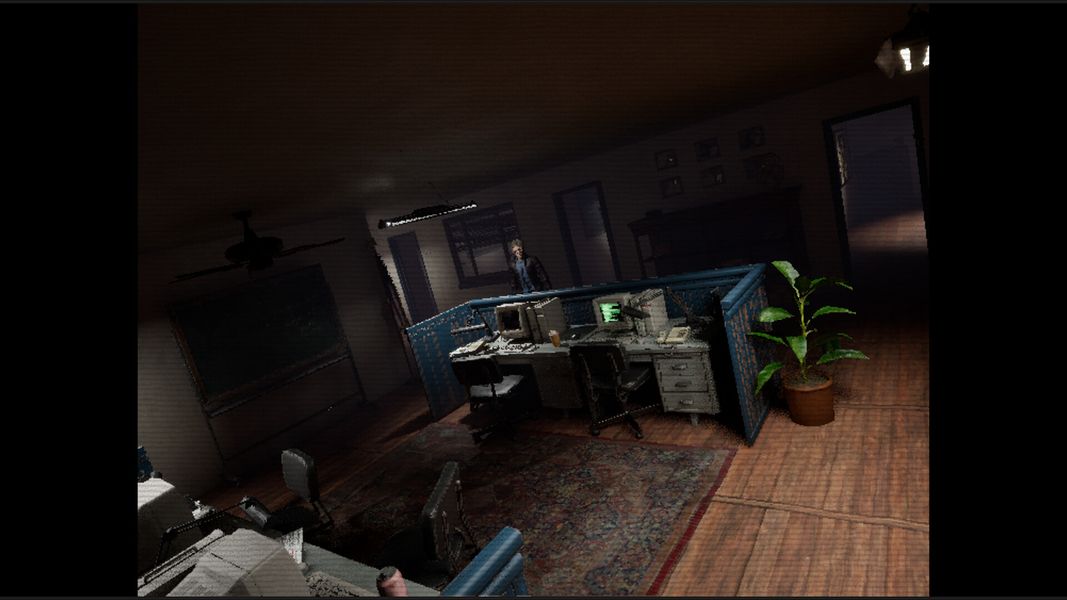
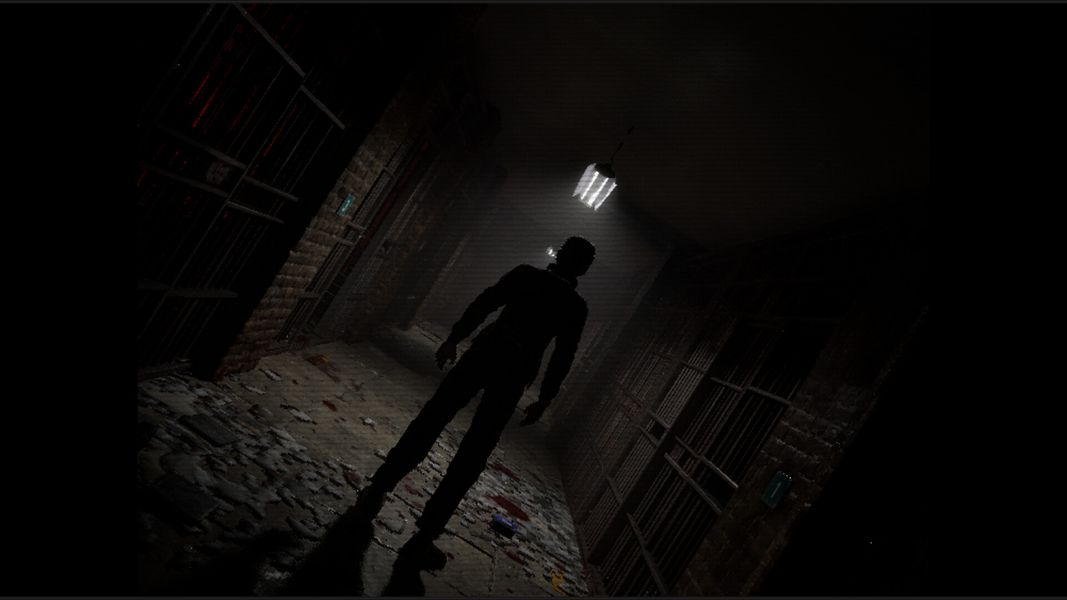
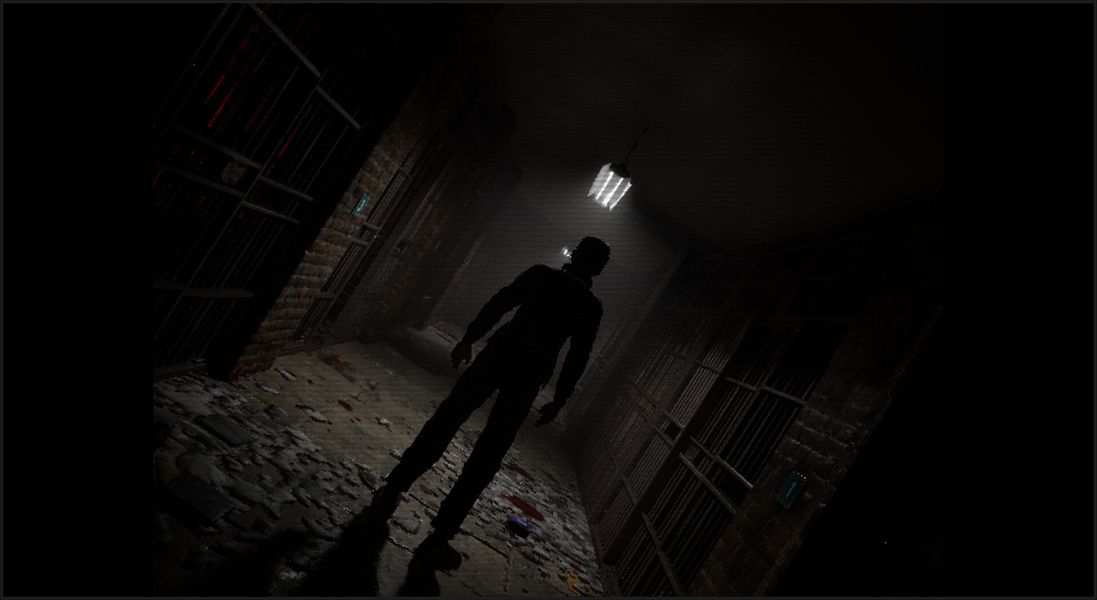
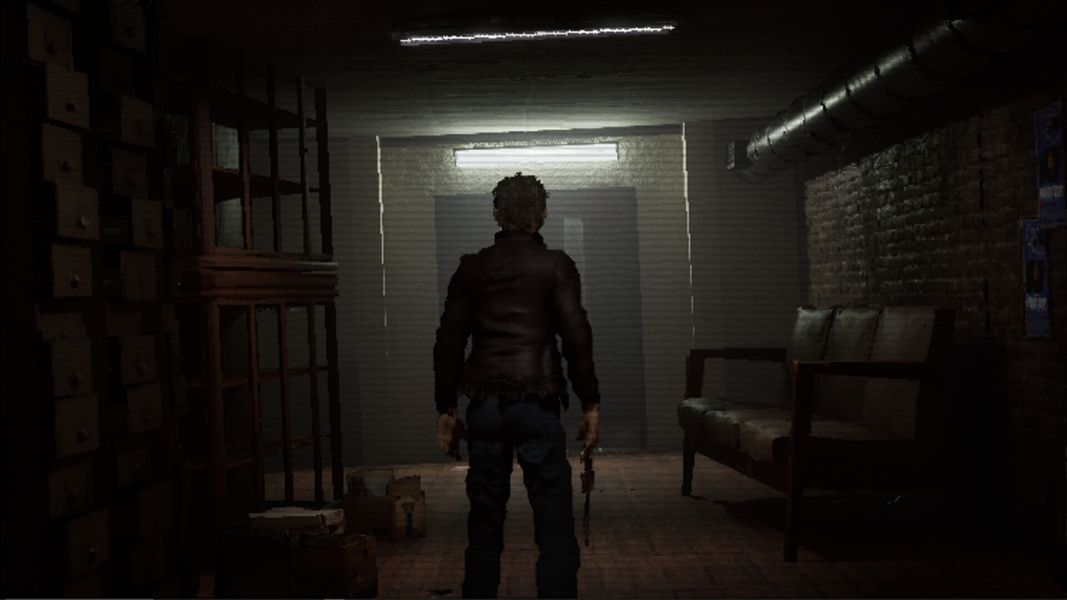
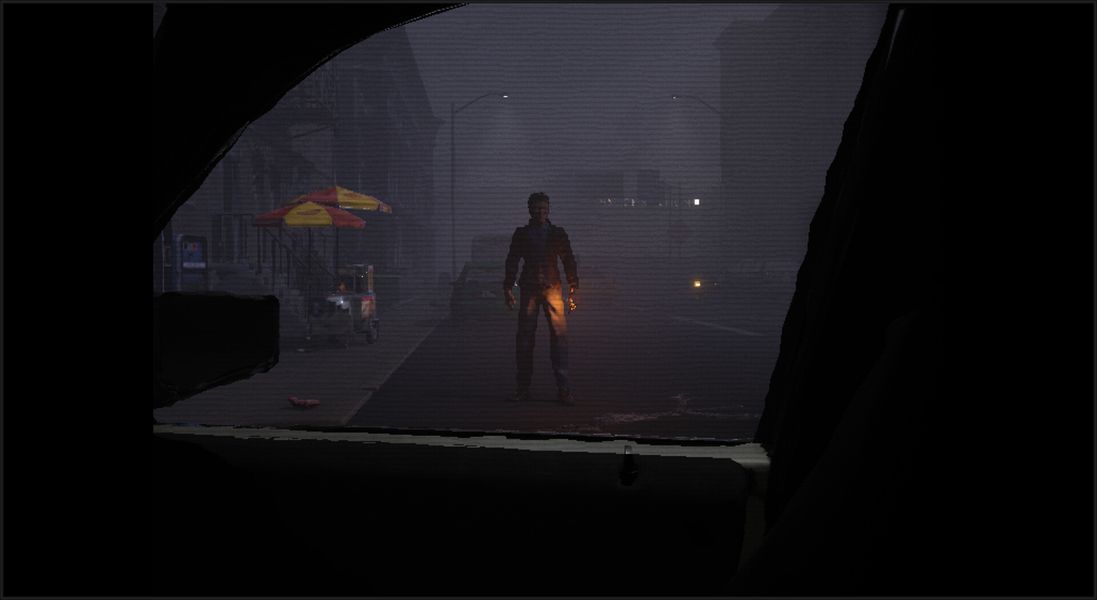
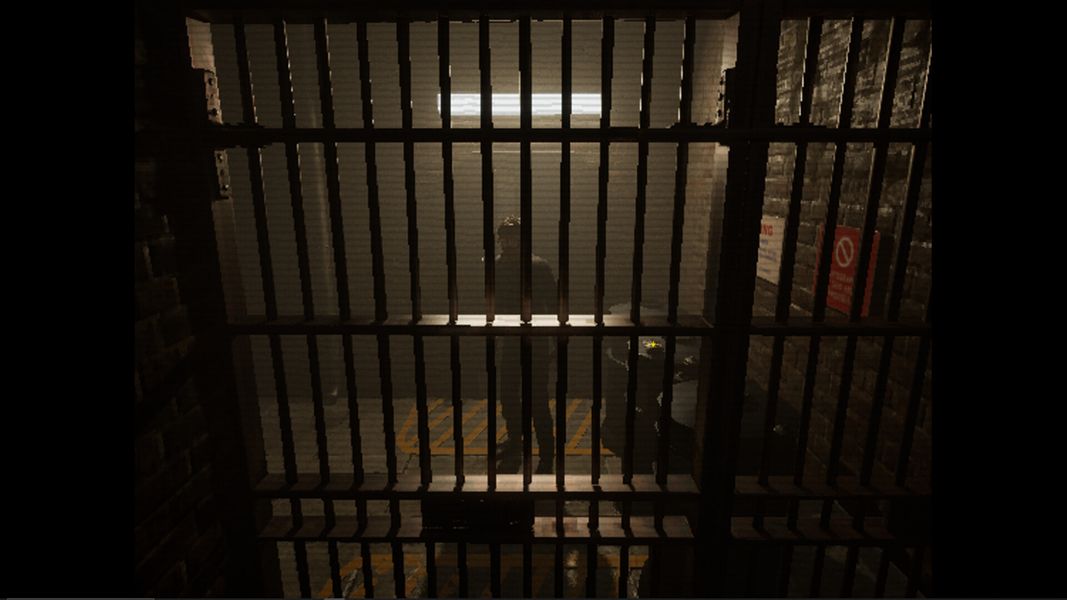
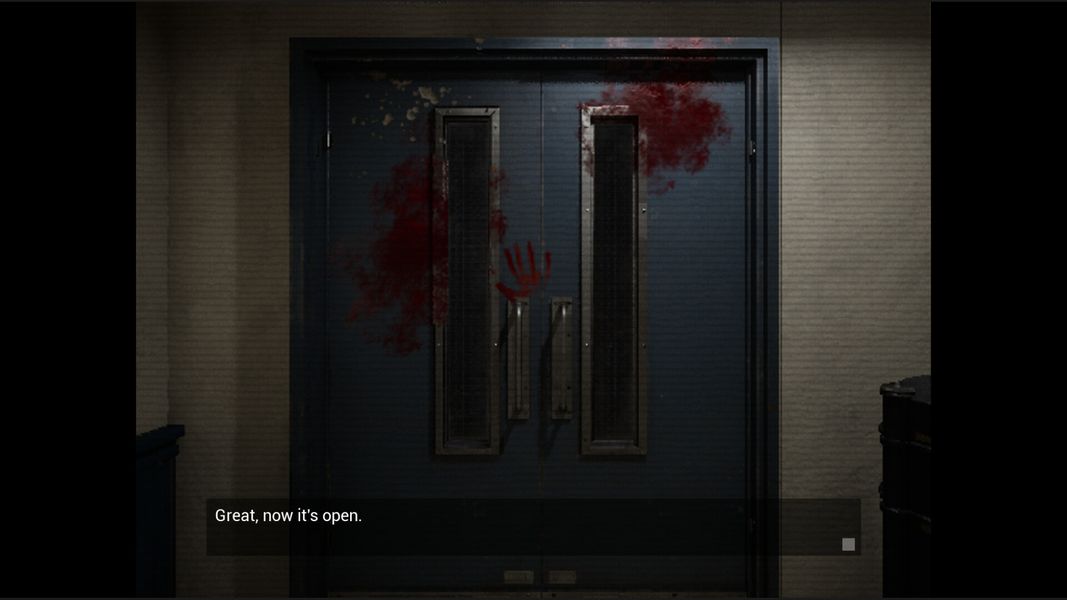
探索與解謎同樣佔據重要比重。需要在陰暗壓抑的警局與城市場景中反覆來回,解開各式機關與謎題,逐步打開通往真相的道路。這些謎題設計偏向傳統生存恐怖風格,強調觀察環境、閱讀文件、理解場景之間的隱藏聯繫,而非單純考驗操作技巧。隨著調查深入,場景本身也會隨劇情產生變化,讓熟悉的空間逐漸變得陌生,進一步強化心理恐怖的效果。視覺表現上,採用類似早期PS1的低多邊形風格,但在光影、材質與特效上進行現代化強化,使畫面在復古與精緻之間取得平衡,成功營造出既懷舊又不失壓迫感的氛圍。
從市場評價與玩家期待來看,在公開預告與試玩版釋出後,迅速引起生存恐怖愛好者的關注。固定視角加上第一人稱射擊的混合設計,被認為是一種對經典公式的有趣再詮釋,而其聚焦於警察腐敗與邪教陰謀的黑色敘事主題,也讓作品在題材上顯得相對成熟且具現實隱喻性。許多玩家對其氣氛營造、美術風格與配樂表現給予正面評價,認為它成功捕捉90年代恐怖遊戲那種「資源匱乏、步步為營」的緊張感,同時又不至於因過度復古而顯得笨重。
不過,也有部分觀望意見指出,固定視角與高難度資源管理可能會讓不熟悉老派生存恐怖的玩家感到挫折,而故事深度與敵人設計是否能支撐完整遊戲體驗,仍有待正式版驗證。整體而言,《虛空傳說:封鎖》展現出相當明確的創作方向,它並不試圖迎合所有玩家,而是專注打造充滿壓迫感、敘事陰鬱、向經典致敬的黑色生存恐怖作品。若最終成品能維持目前試玩版所展現的氣氛與敘事張力,有潛力成為近年復古風生存恐怖中,相當值得關注的一部新作。
Hollow Stories: Lockdown is a neo-retro noir survival horror game developed and published by Hollow Sense. It is scheduled for release on PC in spring 2026, with a playable demo currently available on Steam. Set in the 1990s, the game blends the core spirit of classic survival horror with modern presentation techniques, portraying a city consumed by corruption, conspiracies, and cults. Its overall tone pays homage to the iconic horror games of the PS1 era while pushing toward a darker, more grounded, and more realistic narrative and atmosphere.
In terms of story, players take on the role of Owen Crane, a rookie investigator new to the job. The narrative begins with a desperate call for help from a remote small-town police station. When Owen arrives, he is met not by answers, but by silence. The familiar order has already collapsed: the station is overtaken by eerie shadows and unspeakable horrors, and the city itself is clearly being devoured by a deeper, more insidious darkness. As exploration unfolds, players gradually uncover corruption within the police force, layers of intertwined conspiracies, and a mysterious cult operating from the shadows of the city. Rather than focusing solely on monsters or supernatural phenomena, the game builds its horror on human decay, moral ambiguity, and the oppressive weight of institutional failure. Its noir-inspired narrative voice infuses the story with coldness, despair, and unease, forcing players to confront psychological pressure born from violence and difficult choices as they pursue the truth.
In terms of gameplay and controls, the design clearly pays tribute to classic 1990s survival horror, but it is not a simple imitation. Exploration primarily uses fixed camera angles, creating strong visual composition and an intense sense of threat lurking beyond the frame. During combat, the perspective shifts to first-person aiming, forming a hybrid gameplay experience. This approach preserves the anxiety of classic survival horror—where danger is often unseen—while offering more direct and immersive control during encounters. Resource management remains central to the experience, with ammunition, supplies, and items in extremely limited supply. Players must carefully decide whether to fight, flee, or conserve resources for even greater threats ahead. The classic inventory and limited carrying capacity further amplify tension, making every decision high-risk and often irreversible.
Exploration and puzzle-solving also play a crucial role. Players must repeatedly traverse dark, oppressive police stations and city environments, solving various mechanisms and puzzles to gradually open the path toward the truth. These puzzles follow traditional survival horror design principles, emphasizing environmental observation, document reading, and understanding hidden connections between locations rather than testing reflexes alone. As the investigation deepens, environments evolve alongside the story, turning once-familiar spaces into unsettling, unfamiliar territory and strengthening the game’s psychological horror. Visually, the game adopts a low-polygon style reminiscent of early PS1 titles, enhanced with modern lighting, textures, and effects. This balance between retro aesthetics and contemporary polish successfully creates an atmosphere that feels nostalgic yet relentlessly oppressive.
From a market and player reception perspective, the reveal trailer and demo quickly captured the attention of survival horror fans. The combination of fixed camera exploration and first-person shooting has been widely regarded as an intriguing reinterpretation of classic formulas, while its noir narrative centered on police corruption and cult conspiracies gives the game a more mature tone with clear real-world undertones. Many players have praised its atmosphere, art direction, and soundtrack, noting that it successfully recreates the tense, resource-scarce feeling of 1990s horror games without becoming overly clunky or outdated.
That said, some cautious observers point out that the fixed camera angles and demanding resource management may frustrate players unfamiliar with old-school survival horror, and whether the story depth and enemy design can sustain a full-length experience remains to be seen in the final release. Overall, Hollow Stories: Lockdown demonstrates a clear creative vision. Rather than trying to appeal to everyone, it focuses on delivering a bleak, oppressive, noir-styled survival horror experience that pays sincere tribute to the classics. If the final version maintains the atmosphere and narrative tension shown in the demo, it has strong potential to become one of the most noteworthy retro-inspired survival horror titles in recent years.
運費計算方式:
貨款滿1000元運費外加90元
貨款1000以下:買1件運費外加 60元,買2件運費外加 70元,
買3件運費外加 80元 ,買4件運費外加 90元
貨到付款外加30元手續費
外島及大陸地區運費另計
付款方式:
線上刷卡:本站採用Paypal線上刷卡
虛擬帳號匯款:屬於您專屬的虛擬帳戶,方便站長查帳使用,本站強力推薦
實體ATM匯款:請將匯款帳號記錄下來至各大銀行ATM提款機轉帳
超商條碼繳費:請列印本站提供的條碼至四大超商繳費
線上轉帳:透過玉山銀行線上ATM轉帳(此系統只支援IE瀏覽器)
貨到付款:本站採用黑貓宅急便貨到付款
其他注意事項:
如需購買線上點數卡請直接跟站長連絡,本站不提供點數卡的線上付款
