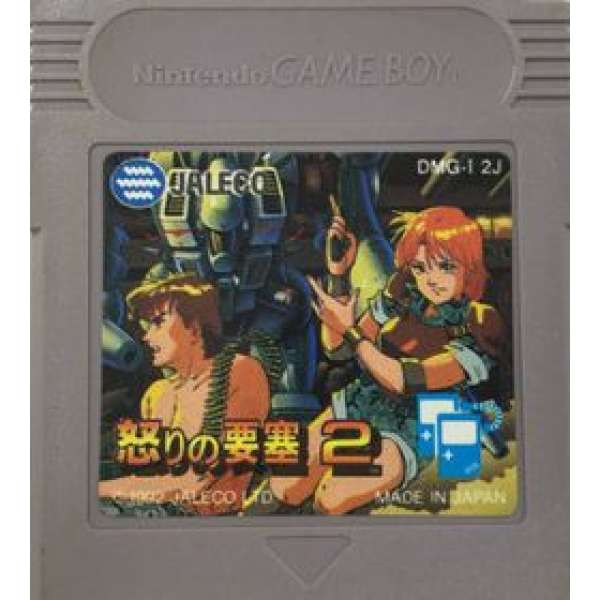
怒之要塞2
 1992-02-21
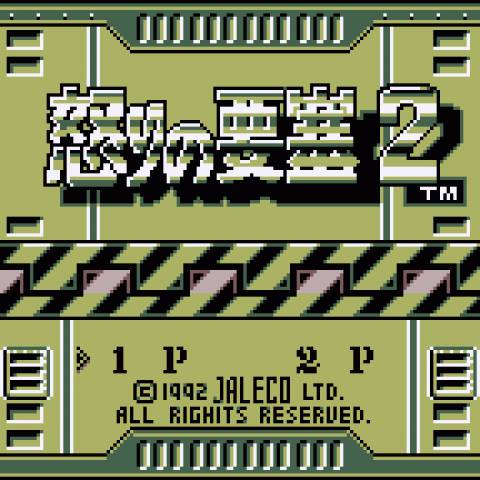
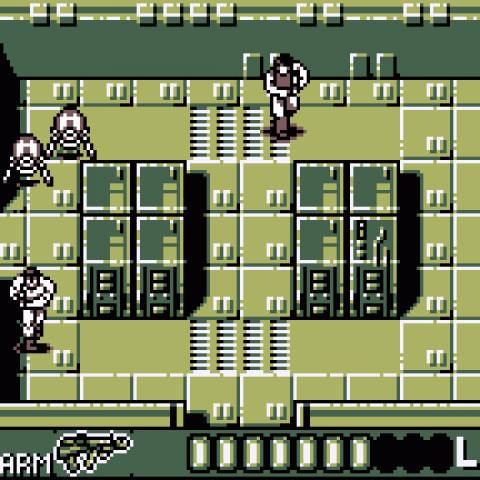
《怒之要塞2》是Jaleco旗下《怒之要塞》系列的第二部作品,於Game Boy平台推出。雖然在基本玩法上延續前作的俯視角固定畫面切換式動作射擊架構,但本作在系統設計、關卡複雜度與遊戲節奏上都有顯著進化,形成在掌機平台中相當獨特的迷宮探索式射擊遊戲。
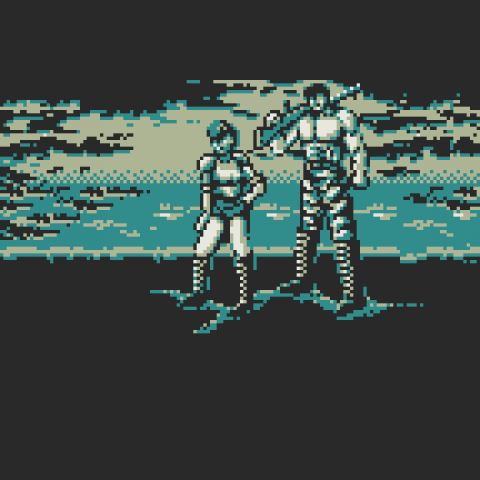
故事承接前作的任務結束後,主角MASATO與MIZUKI兩名精英特務在歷經激烈戰鬥、成功摧毀敵方要塞後,本以為能短暫迎來和平,卻再度接到新的極機密任務。情報顯示敵軍正在秘密開發最終兵器,規模遠超前次作戰,若放任成功將構成全球威脅。兩名特務再次被派遣深入敵方內部,負責摧毀這項終極武器。於是戰鬥舞台就此展開,MASATO與MIZUKI再度一同執行高風險的滲透作戰。
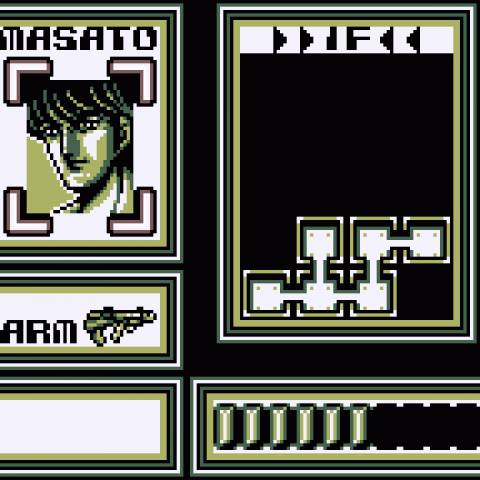
基本操作延續前作的直覺方式,但最大的改變是新增八方向移動與攻擊,使角色操作更加靈活,射擊手感也更自然,動作性顯著提高。需要在MASATO與MIZUKI之間切換前進,兩人皆擁有獨立體力,任一角色體力耗盡都會在該關卡失去戰力,兩人皆倒下則判定Game Over;唯有通關後角色才會回復。前作可以囤積藥品與提升最大體力的機制在本作完全取消,使得資源管理更加緊迫,其中速度更快、能跳躍且體力較少的MIZUKI與耐久度較高的MASATO,在戰術選擇上形成差異,迫使玩家必須更加謹慎地處理每次戰鬥。
武器系統改為兩人皆可自由切換三種主要武器,包括火力平均但射程廣的機關槍、攻擊範圍分散但火力偏弱的三方向散射,以及最具威力與戰術價值的手榴彈。手榴彈雖然只能單發射擊,卻能跨越高低差攻擊敵人,甚至破壞特定地板與牆壁,因此成為探索地圖的關鍵工具。這項設計使得關卡探索比前作更富謎題感,必須仔細觀察牆壁與地形,找出隱藏通路或破壞點才能持續推進。
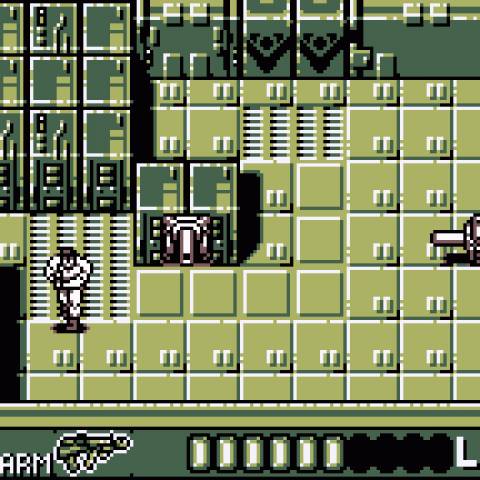
相較前作,本作的關卡變得更大、更複雜,也更具迷宮式架構。前作以單層地圖為主,而本作前三關皆為雙層構造,最終關更擴增為三層結構,並大量加入刻意掉落洞口以抵達下層路段的機關,使垂直式迷宮探索成為遊戲的核心。許多經典機關也回歸,例如裝置未破壞前整個畫面漆黑、必須依靠微弱光源摸索前進的區域,以及外表看似死路、其實可以穿越的牆面。甚至新增可由手榴彈炸開的地板或牆壁,使探索路線更具立體性。自動地圖紀錄系統亦再度登場,即使簡易,仍是在錯綜複雜的地形中不可或缺的協助。
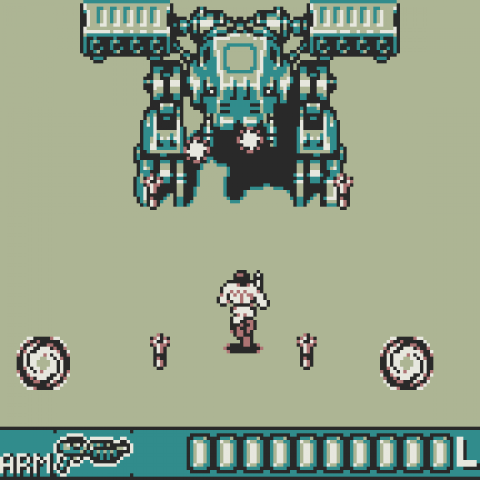
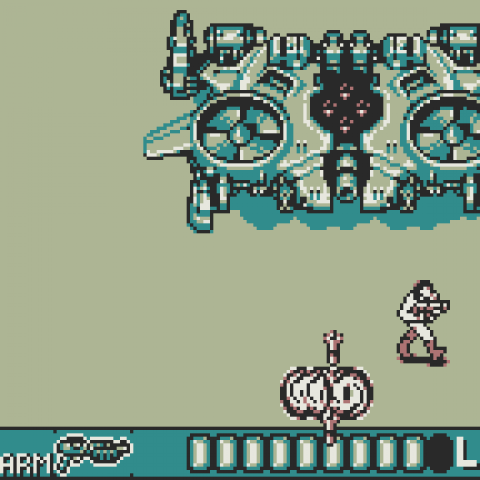
敵人種類依舊相當豐富,且在本作中機械化敵軍的比例更高,設計細節比前作更加精緻。各關卡的Boss在Game Boy平台的規格下仍保持令人驚艷的表現,其中包含動作激烈、攻擊模式多變的強敵,展現系列在掌機上的技術極限。然而,與前作那種巨大到滿版的Boss相比,本作的Boss造型規模略小,雖然風格依舊突出,但少些視覺震撼感。
遊戲的難度在本作顯著提高,過往能靠藥品囤積硬拼的玩法完全不可行,特別是MIZUKI因體力偏低,操作上更要求謹慎。Boss戰也無法依賴場內補給,必須確實掌握行動模式,找出弱點才能通關。雖然難度更高,也帶來更扎實的成就感,但對部分玩家而言,兩角色任一人倒下就失去該關戰力的懲罰設計,確實會增加挫折感。
本作取消前作中某些特色房間,例如敵人連續湧出的封閉房間、飛來的飛彈或碟盤必須全部擊落才能離開的挑戰區域、甚至是會顛倒方向操作的陷阱。這些機關的移除讓遊戲流程更順暢,但也讓部分玩家覺得少前作的特色味道。此外,遊戲仍維持只有四關、整體遊玩時間約三、四十分鐘的短篇構成,因此對於追求快速遊玩的人來說十分合適,但也可能使某些玩家感到內容略顯不足。
在音樂方面,由鈴木康行接替前作的多和田吏擔任作曲。整體配樂風格相當契合關卡氣氛,尤其是第一關的主題曲節奏明快,成為許多玩家的記憶代表。本作亦修正前作中破壞箱子後若未即時拿取道具、離開畫面就會導致道具永遠消失的問題,避免玩家在探索途中因誤操作而陷入無法通關的窘境。
整體來看,在保留系列精神的前提下,透過更加廣大的關卡、改善操作的八方向移動、更具深度的探索設計與更具挑戰性的難度,形成比前作更完整成熟的作品。雖然仍存在部分平衡問題,例如MIZUKI在移動效率與操作便利性上明顯優於 MASATO,導致角色使用比例失衡;又或是關卡規模增大但Boss視覺震撼感下降等,但整體品質仍相當穩定。特別是對喜愛迷宮式射擊與探索遊戲的玩家而言,本作可說是Game Boy上相當值得體驗的佳作。前作玩家若喜歡初代的節奏,那麼《怒之要塞2》幾乎可以說是必玩作品。
值得一提的是,依然保留系列的隱藏趣味要素。透過特定密碼輸入,可讓角色變成可愛的Q版二頭身造型,不僅MIZUKI造型會變化,MASATO的樣貌也會跟著改變。此功能與前作不同的是,它僅改變外觀,不再附帶無敵等特殊效果,純粹作為娛樂向的變身彩蛋。而且輸入不同版本的密碼時,MIZUKI的外觀還會略有不同,是老玩家津津樂道的小小細節。
Ikari no Yousai 2 is the second entry in Jaleco’s Ikari no Yousai series, released for the Game Boy. Although it follows the basic top-down, screen-by-screen action-shooting framework established in the first game, this sequel introduces noticeable improvements in system design, stage complexity, and gameplay pacing. The result is a handheld title that stands out as a uniquely structured maze-exploration shooter.
The story picks up immediately after the previous mission. Elite agents MASATO and MIZUKI, having fought through fierce battles and successfully destroyed the enemy fortress, expect a brief moment of peace—only to be assigned a new top-secret mission. Intelligence reports indicate that the enemy is secretly developing a final super-weapon, far greater in scale than anything encountered before. If completed, it would pose a global threat. The two agents are once again ordered to infiltrate deep into enemy territory and eliminate the weapon. With this, the stage is set for another high-risk covert operation carried out by MASATO and MIZUKI.
The basic controls retain the intuitive feel of the first game, but the most significant enhancement is the addition of eight-directional movement and shooting, making character handling more flexible and the shooting action more natural. The player switches between MASATO and MIZUKI, each with separate HP values. If one character’s HP hits zero, that character becomes unusable for the rest of the stage; if both fall, it’s a Game Over. Characters recover only after clearing a stage. The previous game’s systems—stockpiling healing items and increasing maximum HP—are completely removed, making resource management far more demanding. MIZUKI, who moves faster and can jump but has lower HP, contrasts with MASATO’s higher durability, creating distinct tactical roles and forcing players to approach each encounter more carefully.
The weapon system has been redesigned so both characters can freely switch among three main weapons: the all-purpose machine gun with good range, the weaker but wider-spread 3-way shot, and the grenade, which offers the highest power and greatest tactical utility. Although grenades can only be fired one at a time, they can hit enemies across height differences and even destroy specific floors and walls, making them essential for exploration. This greatly increases the puzzle-like nature of the stages—players must examine walls and terrain carefully to identify hidden passages or destructible areas.
Compared to the first game, the stages in this sequel are larger, more intricate, and constructed with a stronger maze-like design. While the previous game mainly featured single-level maps, the first three stages here consist of two layers, and the final stage expands to three layers. Numerous sections intentionally require falling through holes to reach lower levels, making vertical navigation a core part of exploration. Several signature elements return, such as completely dark areas where players must destroy a device to restore visibility and passages that appear blocked but are secretly traversable. New mechanics like grenade-breakable floors and walls make the route design even more three-dimensional. The auto-mapping system also returns; though simple, it is invaluable in the game’s increasingly complex layouts.
Enemy variety remains rich, with a higher proportion of mechanical foes, rendered with more detailed designs than before. Boss battles continue to impress within the Game Boy’s hardware limits, featuring aggressive movements and diverse attack patterns that push the series’ technical boundaries on handheld devices. However, unlike the massive, screen-filling bosses of the first title, the bosses in this sequel are smaller in scale. While still visually distinctive, they lack some of the previous game’s overwhelming impact.
The difficulty is substantially higher this time. The old strategy of hoarding healing items and charging through encounters no longer works. MIZUKI’s low HP also requires more cautious play. Boss fights provide no in-battle healing, so players must learn the patterns and exploit weaknesses to win. Though this heightened challenge can feel rewarding, the penalty of losing a character for the rest of a stage—should they fall—can be discouraging for some players.
Several special room types from the first game were removed, such as enemy-swarm rooms, missile-and-UFO shooting challenges that lock you in until cleared, and traps that reverse directional controls. Their removal results in a smoother game flow, but players who enjoyed those distinctive features may feel their loss. The game still consists of only four stages, making the overall playtime about 30 to 40 minutes. While this makes the game convenient for quick sessions, it may feel too short for players seeking more substantial content.
In the music department, Yasuyuki Suzuki replaces Satoshi Tawada from the previous title. The soundtrack fits the atmosphere well, with the upbeat Stage 1 theme becoming especially memorable for players. The game also fixes a frustrating flaw from the first entry—items no longer disappear permanently if you break a crate, leave the screen, and return—preventing players from accidentally locking themselves out of progression.
Overall, while retaining the spirit of the series, Ikari no Yousai 2 strengthens its predecessor with larger stages, smoother eight-direction controls, deeper exploration, and more challenging gameplay. Some balance issues remain, particularly MIZUKI’s clear practical advantage over MASATO, as well as the reduced visual impact of bosses despite the expanded stage size. Even so, the game maintains solid quality throughout. For fans of maze-style shooters or exploration-centric action games, this is one of the more worthwhile titles on the Game Boy. Players who enjoyed the first game will find this sequel nearly essential.
Notably, the game retains the series’ playful hidden features. By entering specific passwords, characters transform into cute super-deformed chibi versions; this time MASATO also receives a redesigned appearance. Unlike the previous game, this mode is purely cosmetic and provides no invincibility or special effects. Interestingly, different passwords produce slightly different MIZUKI designs—a small detail long-time fans appreciate.
運費計算方式:
貨款滿1000元運費外加90元
貨款1000以下:買1件運費外加 60元,買2件運費外加 70元,
買3件運費外加 80元 ,買4件運費外加 90元
貨到付款外加30元手續費
外島及大陸地區運費另計
付款方式:
線上刷卡:本站採用Paypal線上刷卡
虛擬帳號匯款:屬於您專屬的虛擬帳戶,方便站長查帳使用,本站強力推薦
實體ATM匯款:請將匯款帳號記錄下來至各大銀行ATM提款機轉帳
超商條碼繳費:請列印本站提供的條碼至四大超商繳費
線上轉帳:透過玉山銀行線上ATM轉帳(此系統只支援IE瀏覽器)
貨到付款:本站採用黑貓宅急便貨到付款
其他注意事項:
如需購買線上點數卡請直接跟站長連絡,本站不提供點數卡的線上付款