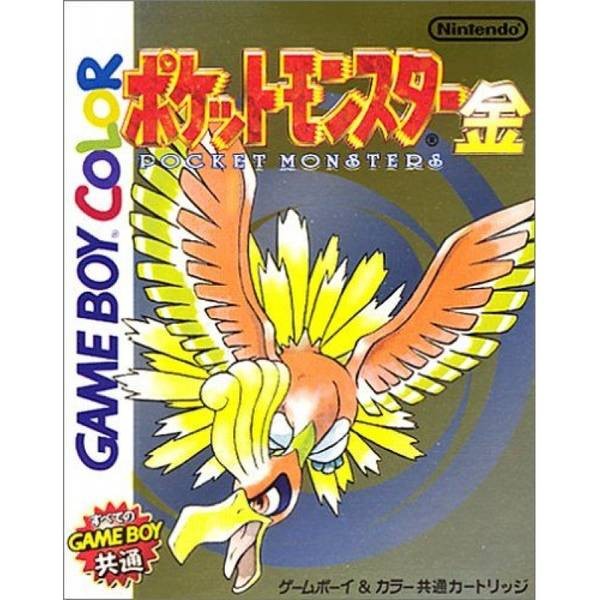
寶可夢 金 (無書盒)
 1999-11-21
《寶可夢 金/銀》(Pokémon Gold & Silver)是任天堂於1999年11月21日為Game Boy Color推出的角色扮演遊戲,為寶可夢系列第二世代的首部作品,同時也是《寶可夢 紅/綠/藍/皮卡丘》的直接續作。遊戲分為兩個版本——金版與銀版,兩者在劇情上幾乎相同,但擁有不同的封面傳說寶可夢、部分野生寶可夢出現率及圖鑑內容,並新增大量的新元素,令遊戲在玩法與策略上大幅提升。2000年12月14日則推出本世代的強化版《寶可夢 水晶版》。
故事背景設定在《紅/綠》的舞台「關都地方」西側的新區域「城都地方」,劇情起點為城都地方的若葉鎮,三年前的《紅/綠》事件則影響後續劇情發展。玩家作為新手寶可夢訓練師,首先會從城都的博士——大木博士——手中獲得初始寶可夢:菊草葉、火球鼠或小鋸鱷,並開始探索城都地方的冒險旅程。過程中,玩家需要挑戰各地道館、收集徽章,最終面對精英四天王與冠軍,完成寶可夢聯盟的挑戰。此外,亦引入重返關都地方的要素,在完成城都的挑戰後,可以再次前往關都地區,挑戰前作的道館館主,並探索三年後的變化,如熔岩爆發佔據的神奇寶貝火山島等。
玩法上承襲前作的核心機制——捕捉、培育、進化與對戰,但也帶來諸多革新。首先,內建實時時鐘功能,玩家所處的時間與現實世界同步,影響寶可夢的出現率、特定事件觸發及地圖光線表現,並有早、晚、夜三個時段之分。新加入鋼屬性與惡屬性,使遊戲中的屬性相剋系統更為完整,尤其針對前作過於強勢的超能力系寶可夢做了平衡調整。寶可夢的能力值也做了細緻分拆,例如將「特殊」分為「特攻」與「特防」,強化了策略性。
此外,引入「寶可裝置(Pokégear)」這一多功能道具,作為地圖、電話、廣播及計時工具,可利用它與其他訓練師重新對戰,或接收稀有寶可夢的情報。還設計寶可夢的「性別」系統、繁殖與蛋的機制,可將不同性別或屬於同一蛋組的寶可夢送至育嬰中心培育,以獲得新寶可夢。也能讓寶可夢攜帶道具以增強戰鬥或促進進化,並引入「親密度」與特定技能效果掛鉤的概念,如「報恩」與「任性」技能威力會根據親密度變化。
戰鬥系統上,延續回合制對戰,但新增許多新技能與部分既有技能效果的調整。例如「咬住」改為惡屬性,「吹雪」的附加效果命中率下降,使對戰更具平衡性。還首次實裝「閃光寶可夢」概念,極低機率出現與原色不同的寶可夢,增加收藏與探索樂趣。隨著冒險進行,將遇到城都地方的邪惡組織火箭隊,最終需在橘子高原與冠軍華麗對決,完成整個故事的高潮。還保留前作寶可夢傳送的功能,透過「時光膠囊」可以與《紅/綠/藍/皮卡丘》版本進行寶可夢交換,使玩家能收集完整圖鑑。
市場上,《寶可夢 金/銀》自推出便獲得廣泛好評,被認為是整個系列中最出色的作品之一,其新增的系統與寶可夢數量使策略與收集元素更加完整,也延續寶可夢成為全球文化現象的成功。遊戲銷售量在2010年前已突破2300萬套,成為Game Boy Color最暢銷遊戲,也是Game Boy系列中第三暢銷的作品。玩家與評論者普遍讚賞其豐富的探索體驗、細緻的遊戲系統以及對前作的巧妙延續與擴展,並認為其對後續世代寶可夢遊戲的設計影響深遠。
總的來說,《寶可夢 金/銀》不僅延續原作的經典冒險與收集樂趣,也以新世代的設計理念提升策略性、自由度與互動性,使其成為寶可夢歷史上一個里程碑般的作品,其影響力延伸至後續的所有世代遊戲,並深植玩家心中。
Pokémon Gold and Silver – Detailed Overview
Pokémon Gold Version and Pokémon Silver Version are role-playing games developed by Game Freak and published by Nintendo for the Game Boy Color. Released in Japan in 1999 and internationally between 2000 and 2001, these titles mark the beginning of the second generation of Pokémon games and serve as direct sequels to Pokémon Red and Blue. The games introduce 100 new Pokémon species and continue the player’s journey to master Pokémon battles. While both versions feature the same storyline, certain Pokémon appearances, graphics, and in-game items differ between the two. Completing the Pokédex fully requires trading Pokémon between the games and their predecessors.
Gameplay and Mechanics
The games retain the core mechanics of previous installments: players navigate a top-down world, explore diverse environments like forests, caves, and seas, and engage in turn-based battles when encountering wild Pokémon or other Trainers. The main objectives are to defeat the Elite Four and the Johto League Champion and to complete the Pokédex by capturing, evolving, and trading all 251 Pokémon. Players develop their Pokémon through battles, gaining experience points (EXP) and leveling up, which influences stats and moves learned.
Second-generation games introduced several new features. A real-time internal clock tracks day and night cycles and days of the week, affecting Pokémon appearances, certain events, and even in-game lighting. Players can now give Pokémon held items, such as berries to restore health or provide battle advantages. A new multifunctional item, the Pokégear, functions as a map, radio, and phone, allowing players to receive calls for rematches or notifications of rare Pokémon.
The games also added two new Pokémon types: Steel and Dark. Steel-types are immune to Poison-type moves and have high defenses, while Dark-types provide strategic counters to Psychic-types, which were dominant in the first generation. Several existing moves were adjusted for balance, and the previous “Special” stat was split into “Special Attack” and “Special Defense,” adding depth to strategy. Pokémon breeding was introduced, allowing compatible Pokémon to produce eggs at the Daycare, inheriting moves and species traits.
Plot and Setting
The games are set in the Johto region, located west of Kanto, three years after the events of Red and Blue. Johto is inspired by Japan’s Kansai and Tōkai regions, featuring temples, traditional architecture, and natural landscapes. Players begin in the small town of New Bark Town, receiving their first Pokémon—Chikorita, Cyndaquil, or Totodile—from Professor Elm. The journey involves earning eight Johto Gym Badges, confronting a rival who frequently challenges the player, and thwarting the plans of the reformed villainous Team Rocket.
After defeating Team Rocket and the Elite Four, players can travel to Kanto, revisiting the region from the previous games. They face Kanto Gym Leaders again, explore changes caused by in-game events, and ultimately challenge Red, the original protagonist of Red and Blue, atop Mt. Silver for one of the toughest battles in Pokémon history.
Unique Features and Additions
- Real-time clock with day/night cycles influencing gameplay.
- Held items and berries affecting battles.
- Introduction of Steel and Dark Pokémon types for strategic depth.
- New moves and rebalanced previous moves.
- Pokémon breeding with inheritance of moves.
- Enhanced Pokémon stats, including split Special Attack and Defense.
- Pokémon gender system affecting breeding and evolution.
- Introduction of shiny Pokémon with rare alternate coloration.
- Timed events, contests (e.g., Bug-Catching Contest), and customizable player rooms.
- The “Time Capsule” allows trading with first-generation games, while the “Mystery Gift” feature offers exclusive items and encounters.
Reception and Legacy
Upon release, Pokémon Gold and Silver received critical acclaim and are often cited as some of the best games in the Pokémon franchise. They extended the series’ global popularity and are regarded as key titles in the Game Boy Color library. With over 23 million units sold worldwide, they became the system’s best-selling titles. Their innovations, such as the real-time clock, breeding, and new Pokémon types, have had a lasting impact on the series. In 2009, the games were remade for the Nintendo DS as Pokémon HeartGold and SoulSilver, celebrating their enduring legacy.
These games are widely remembered not only for their engaging gameplay and expanded Pokémon roster but also for deepening the narrative continuity and world-building of the Pokémon universe, setting the standard for subsequent generations.
運費計算方式:
貨款滿1000元運費外加90元
貨款1000以下:買1件運費外加 60元,買2件運費外加 70元,
買3件運費外加 80元 ,買4件運費外加 90元
貨到付款外加30元手續費
外島及大陸地區運費另計
付款方式:
線上刷卡:本站採用Paypal線上刷卡
虛擬帳號匯款:屬於您專屬的虛擬帳戶,方便站長查帳使用,本站強力推薦
實體ATM匯款:請將匯款帳號記錄下來至各大銀行ATM提款機轉帳
超商條碼繳費:請列印本站提供的條碼至四大超商繳費
線上轉帳:透過玉山銀行線上ATM轉帳(此系統只支援IE瀏覽器)
貨到付款:本站採用黑貓宅急便貨到付款
其他注意事項:
如需購買線上點數卡請直接跟站長連絡,本站不提供點數卡的線上付款
-
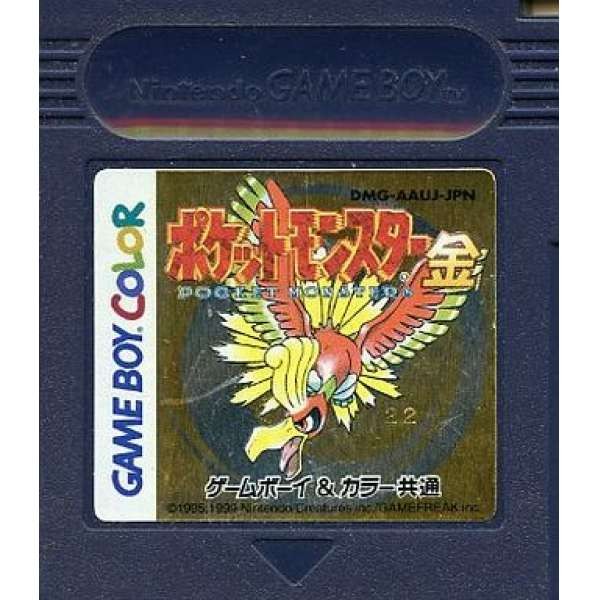
寶可夢 金 (無書盒)
- 定 價: 3,990円
- 售 價: 250.00
- 庫存量: 1 套
- 已賣出: 0 套
人氣指數: 0.3 / 6 顆星
-
寶可夢 金的額外解說2026/03/16點擊率 0